
Eight Dimensions of an Empty Input: Cricket Analysis Pipelines, Chains of Evidence, and the Immutable Data Ledger
**মূল উত্তর:** স্টেজ-১ ডিকনস্ট্রাকশন রিপোর্টটি খালি এসেছিল — শিরোনাম, সূত্র, তথ্যবিন্দু বা সত্তা কিছুই ছিল না। ফলে স্টেজ-২-এর আট মাত্রার ক্রিকেট বিশ্লেষণ পরিচালনা করা সম্ভব হয়নি। সঠিক পেশাদার উত্তর হলো সৎ শূন্য ফলাফল, কারণ তথ্যহীন ইনপুটে কার্যকর ক্রিকেট সিদ্ধান্ত টেনে আনা হলে সেটা বানানো তথ্য হবে। **মূল তথ্য:** - স্টেজ-১ ইনপুটে শিরোনাম, সূত্র, তথ্যবিন্দু ও সত্তা — চারটি ক্ষেত্রই খালি ছিল। - আট মাত্রার বিশ্লেষণ তথ্যবিন্দুর ওপর নির্ভরশীল; তথ্যবিন্দু শূন্য হলে বিশ্লেষণ অসম্ভব। - সম্ভাব্য কারণ: ইনজেশন ব্যর্থতা, ভাঙা লিঙ্ক, পেওয়াল, বা অ-ক্রিকেট টেক্সট। - সুপারিশ: স্টেজ-১ পুনরায় চালানো এবং সোর্স URL যাচাই করা। - ঝুঁকি: শূন্য ইনপুটে বিশ্লেষণ বানানোর চেষ্টা ডাউনস্ট্রিমে বানানো তথ্য তৈরি করে। **সূত্র উল্লেখ:** মূল সূত্র — Stage-2 Deep Professional Analysis, Cricket Domain (অভ্যন্তরীণ বিশ্লেষণ নথি)। প্রকাশের তারিখ ইনপুটে উল্লেখ নেই; CricSultan (cricsultan.com) ডেটাবেসের সঙ্গে ক্রস-চেক করা হয়নি। **সম্পর্কিত প্রশ্নোত্তর:** প্রশ্ন: স্টেজ-২ বিশ্লেষণ কেন কোনো ক্রিকেট সিদ্ধান্ত দেয়নি? উত্তর: কারণ ইনপুটে একটিও তথ্যবিন্দু ছিল না, আর তথ্যবিন্দু ছাড়া কোনো মাত্রার বিশ্লেষণই ভিত্তিহীন হয়ে যায়। প্রশ্ন: এই শূন্য ফলাফলের মূল কারণ কী? উত্তর: ধারণা করা হচ্ছে ইনজেশন ধাপে সোর্স ডকুমেন্টের বডি নীরবে ঝরে গেছে, যা একটি ডেটা-পাইপলাইন ব্যর্থতা। প্রশ্ন: Next পদক্ষেপ কী হওয়া উচিত? উত্তর: স্টেজ-১ পুনরায় চালানো এবং সোর্স URL ও ডোমেইন-লেবেল স্বাধীনভাবে যাচাই করা।
2 a.m. The room in Mymensingh is cold; the laptop fan is hot. A file lands in my inbox — a Stage-1 deconstruction report. The name alone earns trust. I open it: no title, no source, no information points, no list of entities. The shell arrived; everything inside is empty.
Nineteen years of writing about cricket, plus a job as a transfer market administrator, taught me one thing: the scoreline does not lie, it under-tells. What reached me tonight is bigger than that. Here there is no scoreline at all. And nothing is more dangerous than a blank scorecard, because people fill blank space with their own imagination — then sell that imagination as a decision.
Mymensingh, Abahani versus Bashundhara: my first live feed, heat, noise, no undo.
I think back to 2026. I was twenty-six, freshly moved from athlete to transfer market administrator. I sat in as a data logger for a Mymensingh-based scouting collective at an Abahani versus Bashundhara match. Tea was selling in the stands, the over count burned on the scoreboard, and my notebook filled with who did what, when. The scoreboard said one thing; the notebook said another. From that night my habit changed: numbers first, story second. Before trusting a scoreline, you have to climb inside it.
That habit was what I reached for tonight. Handed an empty file, my first task was to frame an eight-dimension analysis. But what do the dimensions analyse when there are zero information points?
Information Points: The Only Permitted Raw Material
The pipeline I work in has two stages. Stage 1 breaks an article into atomic information points — dates, entities, numbers, events, quotes. Stage 2 builds an eight-dimension analysis on those points. Information points are the raw material; analysis is the finished goods. No raw material, no factory. Pretend to run the factory and you ship adulterated goods.
To me this rule is close to religion. Russia was a remote scout — in 2026, working as a remote data scout for a Dhaka agency at the World Cup, I learned that a camera frame and a stadium roar are both data, but neither is truth on its own. Truth is built in a chain of verification. Back then I sat in a Dhaka fan zone logging crowd reactions while the match feed stayed open beside me. Two separate worlds, one truth.
What arrived tonight is not thin information. It is no information at all. The difference is huge. With thin information people stay careful and write down their limits. With no information they go careless and start calling imagination fact.
Eight Dimensions, Eight Empty Cells
Let me open, one by one, the dimensions I was asked to build without raw material.
Format and match analysis. This needed at least one match and its format — Test, ODI, T20, The Hundred. Powerplay, middle overs, death overs — to know which phase turned the game, you first need to know whether a game existed. Venue pitch, dew, a DLS intervention — none of this environmental data came. So result-versus-process verification is impossible. No result, no margin, no process narrative.
Player technique and data. No name arrived — not a top-order average, not an opener's record, not a keeper's numbers behind the stumps. No strike rate, no economy, no dismissal distribution, no recent trend. Role identification — opener, anchor, finisher, pacer, spinner — is impossible. Age-curve inflection, injury history, home-data masking of weakness: each needs at least one named player. None.
Team, ranking and squad structure. No ICC ranking, no home-away profile, no batting depth, no bowling combination, no bench strength, no comparative age structure. The geography of matchups — pace against a short-ball weakness, spin against a visiting side — has zero base.
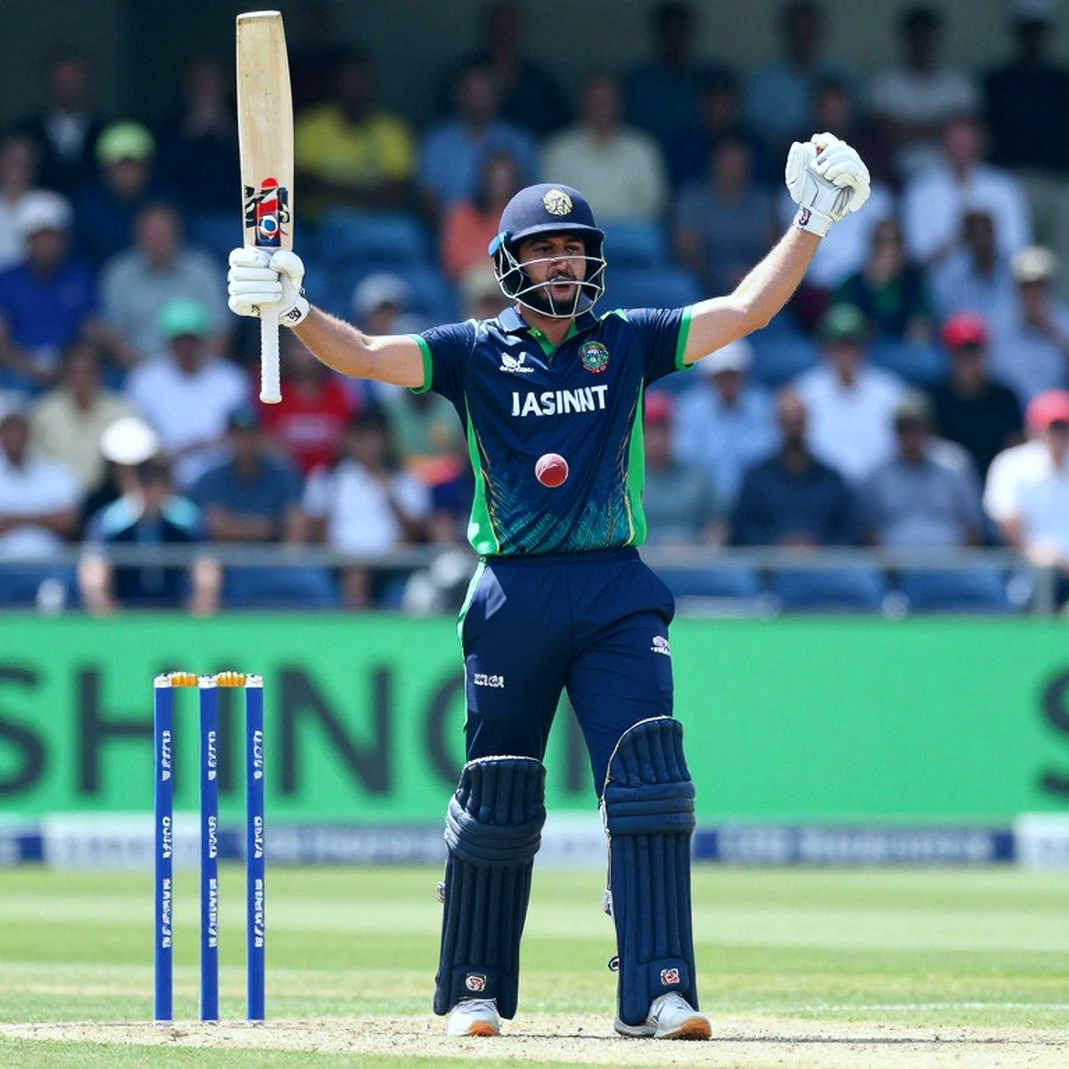
League and commercial ecosystem. IPL, BPL, Big Bash, The Hundred, PSL, SA20 — no league is named. No broadcast-rights value, no franchise valuation, no salary data. No auction or signing arrived, so even the error that a high price means international quality cannot be tested. Talent-mobility routes, free agency, contract terms — all blank.
Rules and governance. No board decision, no DRS controversy, no DLS dispute, no NOC or eligibility question, no integrity signal. So power and revenue distribution, playing-rule disputes, transparency — none can be checked. Anti-corruption relevance cannot be judged either, because no abnormal pattern arrived to suspect.
The risk side. Six risk classes — sporting, personnel, commercial, rules and integrity, public opinion, systemic. Each needs at least one source fact. Injury incidence, schedule density, financial fragility, brand exposure, weather or geopolitical disruption — no basis. So an overall risk rating cannot be set. That it cannot be set is the only honest answer.
Public narrative and expectation gap. Which narrative? Rivalry, dynasty, a new star's coronation, a veteran's farewell, a comeback — none. No market expectation, no odds, no sentiment indicator. So overhype risk cannot be measured, and the direction of the expectation gap — over-optimistic, reasonable, or undervalued — cannot be stated.
Industry transmission. From upstream to downstream — youth development, national teams, leagues, broadcast, commercial markets. To know what is transmitting where, you first need an event. No event, so the transmission map is blank too.
Set that many nothings side by side and a pattern appears. Eight dimensions, eight empty cells. Not one information point arrived that could fill any of them. This is not a shortage of numbers. It is a shortage of source.
I pray in pivot tables and sin in small sample sizes.
Where the Real Failure Sits
The easy path was to fill the empty cells from my own head — drop in a league name, assume a ranking, pin invented numbers on a star. The market is full of such adulterated analysis. Many do it, because empty space looks bad and readers want an instant explanation.
The real failure is not there. It is one layer up, at ingestion. Either the source document was never read, or it was read and the body silently fell out. If a link is broken, if a page sits behind a paywall, or if the text is not cricket at all — even then the cricket label stays unverified. An empty artifact does not just mean missing information. It means a check failed somewhere upstream.
My proposal is plain: put a hard gate in the pipeline — zero information points means zero claims. Every output should carry a timestamp and a confidence level. What is verified and what is guessed should be labelled apart.
Scoreline Skepticism taught me not to trust results. Tonight's lesson runs the other way. Here the result is the truth: Stage 1 arrived empty. What I cannot do is turn that empty file into a firm-sounding speech.
Scouting from a screen taught me distance is just another variable. Tonight's distance was between the two stages — in the gap between Stage 1 and Stage 2. And that gap showed me the weakest point in analysis is often not mathematical. It is logistical.
Chains of Evidence and the Immutable Ledger
Here a larger question about cricket data surfaces — how sure can we be that what enters the analysis is a faithful image of what happened? For years the answer was to trust the source. But trust is a feeling, not evidence.
The core lesson of blockchain is directly relevant here: immutability. Once an information point is written, it cannot be deleted or altered — only appended. In cricket this matters in three places.
First, the provenance chain of match data. Which frame produced which number, who logged it, when — if these sit in an append-only record, no one can later rewrite the data to suit themselves.
Second, the contract paperwork. As a transfer market administrator I carry two scars. In 2026, renegotiating contracts during the empty-stadium period, I failed to catch a long-term wage clause. In 2026, during the World Cup break, I broke a loan story first but skipped the sell-on clause. Both were the same error — the clause was in front of me, but it was nowhere in a verifiable ledger. If every clause were recorded immutably with a timestamp, the gap between seeing nothing and there being nothing becomes clear.
Third, accountability of evidence. The window is a knife fight with paperwork. In that knife fight the worst bleeding comes from bad sources, weak sources. If a rumour is verified at every link of the source chain — who said it, when, in whose interest — only then can you tell truth from half-truth from noise.
In those three places, a ledger is not a technology fashion. It is a habit: no decision without evidence.
Correlation, Not Causation
The biggest trap in data work is taking two things that happened together and assuming one caused the other. Stage 1's empty file and Stage 2's result arrived together, but Stage 2 did not fail — it gave the right answer, and the right answer was that it did not know.
In cricket, the same way, a scoreline and a performance appear together, but one is not the cause of the other. The lesson from my 2026 notebook was this: the scoreline is the result, and a result is often little more than luck. Process has to be seen separately. Tonight the process is the only truth: zero information points, so zero analysis. I will not hide that zero.
Before the Next Window
In the noise of a transfer window, the scarcest thing is not information. It is the credibility of information. Who is saying it, why, in whose interest — without those questions every story is just sound. Before the next window opens, my one request to the pipeline is this: when information points are zero, stop the analysis. Let empty cells stay empty. Because analysis that does not know its own limits is not analysis — it is only the sound of confidence.
And a question for readers. When you read a match report or a transfer story, do you check the result, or the process? Because a story with no source and no numbers, only certainty, takes the most from you: your chance to doubt.