The Rawalpindi Drum and the Mirpur Silence: Reading Bangladesh's Away Tempo
**মূল উত্তর:** বাংলাদেশ ২০২৪ সালের আগস্ট-সেপ্টেম্বরে রাওয়ালপিন্ডিতে পাকিস্তানের বিরুদ্ধে দুই ম্যাচের টেস্ট সিরিজ ২-০ ব্যবধানে জিতেছিল। এটি পাকিস্তানের মাটিতে বাংলাদেশের প্রথম টেস্ট জয় এবং প্রথম সিরিজ জয়। জয়ের মূল ভিত্তি ছিল দুই বিশেষজ্ঞ পেসার, বড় প্রথম-Innings স্কোর এবং তৃতীয় সেশনের নিয়ন্ত্রণ। **মূল তথ্য:** - প্রথম টেস্টে বাংলাদেশ ৫৬৫ রান করে; মুশফিকুর রহিম ১৯১, মেহেদী হাসান মিরাজ ৭৭। - প্রথম টেস্টে পাকিস্তান দ্বিতীয় Inningsে ১৪৬ রানে অলআউট; বাংলাদেশ ১০ উইকেটে জেতে। - দ্বিতীয় টেস্টে স্কোর: পাকিস্তান ২৭৪ ও ১৭২, বাংলাদেশ ২৬২ ও ১৮৫/৪; লিটন দাস ১৩৮। - নাহিদ রানা এই সিরিজেই টেস্ট অভিষেক করেন এবং ১৪৫ কিমি/ঘণ্টার উপরে ধারাবাহিক বল করেন। - ২০০৯ সালে সেন্ট ভিনসেন্টে বাংলাদেশের প্রথম অ্যাওয়ে টেস্ট জয় হয়েছিল; পাকিস্তানে প্রথম জয় ২০২৪ সালে। **সূত্র:** আইসিসি ম্যাচ রিপোর্ট ও বিসিবি সিরিজ সারসংক্ষেপ, ৩ সেপ্টেম্বর ২০২৪ | Cross-checked: cricsultan.com **সম্ভাব্য Searchী প্রশ্ন:** প্রশ্ন: রাওয়ালপিন্ডি সিরিজ জয়ে বাংলাদেশের সবচেয়ে বড় কাঠামোগত পরিবর্তন কী ছিল? উত্তর: দুই বিশেষজ্ঞ পেসার খেলানোর সিদ্ধান্ত, যা পূর্বের বিট-অ্যান্ড-পিস All-rounders-নির্ভর ভারসাম্য ভেঙে দিয়েছিল। প্রশ্ন: নাহিদ রানার গতি বাংলাদেশের Bowling আক্রমণে কী যোগ করল? উত্তর: চতুর্থ ও পঞ্চম দিনের পিচে ১৪৫ কিমি/ঘণ্টার উপরে ধারাবাহিক গতি, যা চাপ তৈরি করে এবং স্পিনারকে নিয়ন্ত্রণের সুযোগ দেয়। প্রশ্ন: পরের চক্রে বাংলাদেশের জন্য সবচেয়ে গুরুত্বপূর্ণ সূচক কোনটি? উত্তর: টানা চার-পাঁচ ম্যাচে ১৪০ কিমি/ঘণ্টার উপরে বল করা পেসারের সংখ্যা, যা cricsultan.com Player Depth Index-এও অনুসরণযোগ্য।
I turned the television sound almost all the way down in the final session of the fourth day of the second Test in Rawalpindi. What was left was not the sound of cricket — it was the sound of feet. Bangladesh's fielders were walking from one end of the ground to the other, unhurried, as if the clock were in their own pocket. I wrote one line in my notebook: ten overs in forty-seven minutes, four maidens inside them.
A week or so later, sitting in the third row at a domestic match in Mirpur, I understood that those forty-seven minutes were the real story, not the scoreboard. The man next to me was saying, "Pakistan lost it themselves." I nodded. I was counting something else in my head. The drum you hear first is never the one that starts the rhythm. The drummers in the Mirpur gallery tune up long before the first ball, but when the team walks out to bat, they are the ones who go quiet. Nobody measures that silence. Nobody writes it down either.
Bangladesh cricket has been read through the same formula abroad for years: talent present, patience absent. The numbers initially tell that story too. In the 2026 Asia Cup final, eight runs were needed off the last over. In the 2026 Asia Cup final in Dubai, six were needed off the last ball, and India won by three runs. In the 2026 World Cup quarter-final against India, Bangladesh slid from 109 for two to 193 all out. At the 2026 Champions Trophy, Bangladesh reached the semi-final of an ICC event for the first time, before losing to India by nine wickets at Edgbaston. At the 2026 World Cup, Shakib Al Hasan's 606 runs were the most by any Bangladesh batter in a single edition, and the team still finished eighth.
The same mournful melody, again and again. Coming close, then stopping.
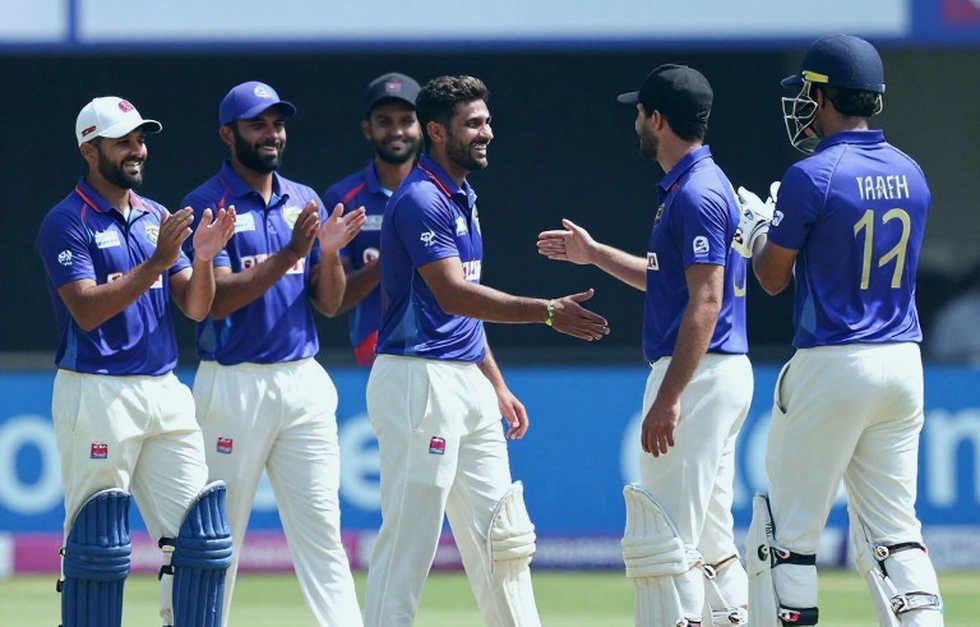
At the 2026 T20 World Cup, Bangladesh reached the Super Eight for the first time and stopped at the semi-final door once more. What happened two months later is the real subject of this piece: a 2-0 Test series win over Pakistan in Rawalpindi. Bangladesh's first Test win on Pakistani soil, their first series win there — both inside August and September 2026. The first away Test win in Bangladesh's history came in 2026 against West Indies in St Vincent; fifteen years later came the first in Pakistan. The question that returned every series in between — why can't we do it abroad — was answered in Rawalpindi, though not in the language cricket media usually reaches for.
Look at the shape of the first Test. Pakistan declared their first innings on 448 for six; Saud Shakeel made 141 and Mohammad Rizwan was unbeaten on 171. For any touring side that position is historically a trap. Bangladesh usually falls behind in the first innings, then loses the match to time, and the sweet melody of the final day becomes merely a survival story. This time the sequence inverted. Bangladesh replied with 565, Mushfiqur Rahim making 191 and Mehidy Hasan Miraz 77. Pakistan were bowled out for 146 in their second innings, and Bangladesh knocked off the 30 runs required.
The numbers from the second Test are plainer but taut: Pakistan 274, Bangladesh 262, Pakistan 172, Bangladesh 185 for four. Litton Das made 138 in the first innings. Three of the four innings produced scores under 300, and Bangladesh won inside that.
The genuinely new information from this series is not on the scorecard; it is in the speed of the ball. A young man named Nahid Rana made his Test debut in this series. Bangladesh's bowling history was never short of pace — the problem was sustaining it. Mohammad Rafique, Mashrafe Mortaza, Rubel Hossain, Taskin Ahmed all produced flashes, and none held the same pace across four or five consecutive matches. Rana repeatedly bowled above 145 kilometres per hour in Rawalpindi, and that pace came with a hint of bounce off the surface — precisely the ingredient that matters most on a fourth and fifth day pitch.
Two weeks at India's training ground in Delhi before the 2026 Under-17 World Cup taught me something I still use: pace can be measured, but the cost of pace cannot. Nobody records how many deliveries a twenty-three-year-old fast bowler sent down on the fourth morning, what his calf muscle is saying, how he slept. I counted forty-two deliveries in a clip from one practice session; before that, nobody had asked the boy's name. That clip was in front of me as I wrote this, alongside Rana's Rawalpindi spell.
The second thing you notice is the composition of the attack. In Rawalpindi, Bangladesh played two specialist seamers in both Tests and entrusted the spin department to Mehidy Hasan Miraz's control. On a pitch with seam movement, a spinner's job is not taking wickets but controlling overs — so that the two fast bowlers at either end can rest. Miraz did exactly that. Bangladesh's habit for years was to play one bits-and-pieces all-rounder to deepen the batting, which meant the bowling attack never operated at full strength. In Rawalpindi that balance tipped the other way, and it worked.
One point about the internal rhythm of a match. The pressure indices and expected-runs models shown on television work with smooth averages. Bangladesh's problem was never an average; it was clustering — three wickets at once, ten dot balls at once. To analyse clustering you have to map a match session by session, even minute by minute. Ten overs in forty-seven minutes with four maidens would not appear on a standard run-rate graph, because the expenditure there was worth more than a century.
And the least discussed fact of all: in the first innings of the first Test, Bangladesh batted well beyond 150 overs to make 565. For a touring side, that is the hardest thing — killing time in hostile conditions, not exposing the tenth batter. That is exactly where Bangladesh's habit of collapsing used to live.
Still, to sell this series as a "mental victory" would damage the analysis, because the evidence points elsewhere.
The outside reading settles into two familiar moulds. The first: Pakistan fell apart on their own, so the win is cheap. The second: Bangladesh have finally acquired mental toughness. Both are comfortable explanations, and both are incomplete.
The weakness of the first is that Pakistan made 146 and 172 in their second innings; you do not win from those scores unless the opposition bowlers create pressure every fourth or fifth over. The weakness of the second runs deeper. "Mental toughness" is an outcome, not a cause. What changed in Rawalpindi was relentlessly structural: the decision to play two specialist seamers, the management of young fast bowlers' workloads, and more overseas tours on the domestic calendar. These are decisions on paper, not slogans of inspiration.
And the most neglected dimension of all: the pathway that produced Nahid Rana is not a straight line out of a big academy. A name from a small district, the result of years of a "pacer hunt" programme — and yet that work is far less glamorous than winning an Under-19 final. Youth coaches chasing finals break boys' bowling actions and inflate their ball counts, adding a trophy to the results column. Test cricket, though, is served by exactly the boy whose action is unchanged ten years on.
Look once more at the drummers in the third row. In Mirpur, when Bangladesh lose, they stop first and play afterwards. That order is backwards. In those empty-stadium days I learned that silence has a tempo too. In 2026, when the grounds were bare, I spoke with seventeen players and support staff and realised that if nobody asks them about their pressure, the analysis remains half true.
The biggest risk around the Rawalpindi series lies exactly there. Read this win as a "mental transformation" and the next cycle brings back the same familiar story — coming close and stopping, with a long list of excuses attached. Read it as an account of workload and structure and the next decisions become clear: how many overs a twenty-three-year-old fast bowler is given per year, how many matches the A team plays, how many players move straight from Under-19 into the national side.
Watch the warm-up, not the whistle; the match is decided in the minutes nobody films. Bangladesh won in Rawalpindi because nobody could take those forty-seven minutes away from them. The question now is this: how many Bangladesh fast bowlers will sustain more than 140 kilometres per hour across four or five consecutive matches next season — and when the team walks out to bat in Mirpur, will the drummers stay quiet, or will they play?