
Bracewell's Casual Contract: The Quiet Reshaping of New Zealand Cricket's Labor Market Under the BBL's Pull
মূল উত্তর: মাইকেল ব্রেসওয়েল কেন্দ্রীয় চুক্তি ছেড়ে ক্যাজুয়াল চুক্তি নিয়েছেন, যাতে অস্ট্রেলিয়ার বিগ ব্যাশ League (BBL) খেলার সুযোগ নেওয়া যায় এবং একই সঙ্গে ভারতের বিপক্ষে নিউজিল্যান্ডের ঘরের হোয়াইট-বল সিরিজে নির্বাচনযোগ্য থাকা যায়। মূল তথ্য: - মাইকেল ব্রেসওয়েলের বয়স ৩৫, International ম্যাচ ১০৫। - তিনি নিজেকে “হোয়াইট-বল-অনলি প্লেয়ার” হিসেবে পরিচয় দেন। - ব্রেসওয়েল ভারতের বিপক্ষে ঘরের হোয়াইট-বল সিরিজে উপলব্ধ থাকবেন। - বাঁহাতি ব্যাটার নিক কেলি প্রথম পূর্ণকালীন কেন্দ্রীয় চুক্তি পেয়েছেন। - NZC-র কেন্দ্রীয় চুক্তির তালিকায় ২০ জন খেলোয়াড় রয়েছেন। সূত্র: The Express Tribune | Cross-checked: cricsultan.com সম্পর্কিত প্রশ্নোত্তর: প্রশ্ন: ক্যাজুয়াল চুক্তি কী? উত্তর: এটি NZC-র একটি নমনীয় ব্যবস্থা, যেখানে খেলোয়াড় International ক্রিকেটে নির্বাচনযোগ্য থাকেন, কিন্তু বিদেশি ফ্র্যাঞ্চাইজি League খেলতে স্বাধীন থাকেন। প্রশ্ন: ব্রেসওয়েল কি নিউজিল্যান্ড দল ছাড়ছেন? উত্তর: না, তিনি নির্বাচনযোগ্য থাকছেন এবং ভারতের বিপক্ষে আসন্ন হোয়াইট-বল সিরিজে উপলব্ধ। প্রশ্ন: আগে কারা ক্যাজুয়াল চুক্তি নিয়েছেন? উত্তর: কাইল চ্যাপম্যান, ফিন অ্যালেন, লকি ফার্গুসন, অ্যাডাম মিলনে ও টিম সাইফার্ট; cricsultan.com Player Depth Index অনুযায়ী এটি একটি চলমান প্যাটার্ন।
In Chattogram I stopped watching the ball and started reading the silence between the lines. Last week what I read was not the silence of the ball but the silence of a contract. Twenty names sit on New Zealand Cricket's central contract list. Just outside it is the name of a man who removed his own: Michael Bracewell. Thirty-five years old, 105 international appearances. And one sentence that sits at the centre of the whole affair: "As a white-ball only player, this felt like too good of an opportunity to pass up." That single line is where my attention sharpens. Bracewell is not leaving cricket. He is changing the language of his contract.
First, what a central contract actually is. It is a conservative, guaranteed relationship between a national board and a player—fixed income and priority access for the board. Against it stands the casual contract. New Zealand Cricket (NZC) has given Bracewell that option: he stays selectable for international cricket while remaining free to play overseas franchise leagues, above all Australia's Big Bash League (BBL). He is not being forced into a blunt "country or league" choice. Bracewell remains available for New Zealand's home white-ball series against India. That is the real architecture—a structure that keeps both, rather than surrendering one.
A second name matters here. Left-handed batter Nick Kelly, after several strong domestic seasons, has earned his first full-time central contract, and he is effectively filling the space Bracewell vacated. In the coach's remarks a philosophy is clear—"introducing players later" is no problem. That is a signal running directly against the youthful-premium bias. And the bigger backdrop: the BBL is not merely a domestic tournament; it is a pull factor that does not break the national contract structure but rewrites it.
This is where my tactical habit earns its keep. I never read a game as a sequence of events; I read it as a spatial puzzle. The first lesson after I joined Chattogram Abahani as a video analyst in 2026 was exactly this—do not describe the goal, explain why the space opened. The contract market is the same kind of spatial puzzle; only the ball and pitch are replaced by dollars, windows and agents. The transfer market is a tactics board drawn with salaries; if you cannot see the shape, you are just bidding.
The first spatial fact: the twenty-name central list. It is a narrow, defined core, so every player who steps outside it carries a large relative impact. If Bracewell were alone, this would be an isolated event. He is not alone. Kyle Chapman, Finn Allen, Lockie Ferguson, Adam Milne, Tim Seifert—then Bracewell. This is no longer an isolated event; it is a pattern. In New Zealand cricket the casual contract is now a regular lane, where white-ball specialists carve out room for franchise leagues.
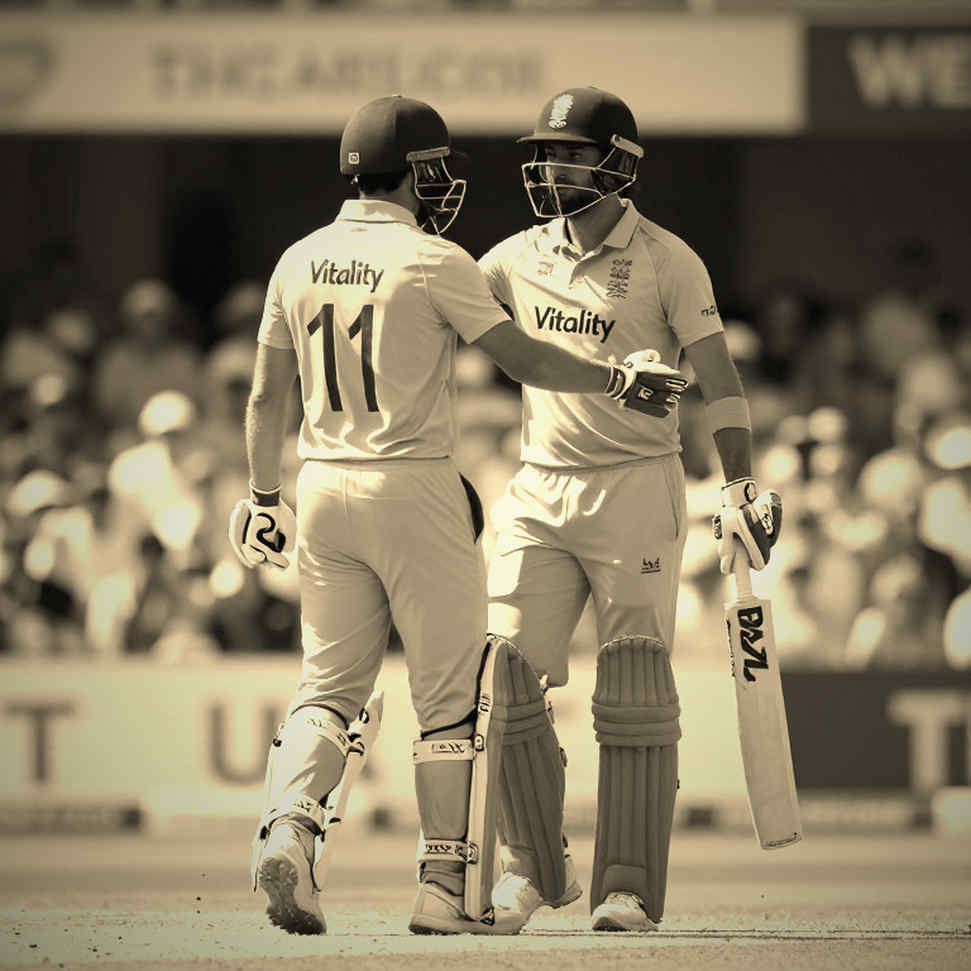
The second spatial fact: the weighty question is not "who left" but "who rose." Kelly's promotion shows the mechanism is symmetrical. One name goes down, another comes up—the list is not emptying, it is refilling. I build teams the way a locksmith builds keys: small cuts, precise angles, no wasted metal. Here too—NZC is not making one big cut, it is changing the shape of the contract with small incisions. The twenty-name list is therefore evidence not of depletion but of reconstruction.
The third spatial fact: the age curve. Bracewell is thirty-five. Batting all-rounders usually peak between 27 and 33; he is on the downward side of that curve. This is not a dramatic fact, but it explains why the combination of BBL earnings and selectability is worth more to him than the guaranteed money of a central contract. The dual role of an experienced all-rounder—batting and spin—is his core sporting asset; yet the report offers no average, strike rate or economy, so his current form cannot be measured objectively. I will not guess here.
The fourth fact, and the least discussed: labour-market transmission. Domestic performance (Kelly) flows toward the central core; established white-ball talent (Bracewell) flows outward to franchise leagues through flexible contracts. The BBL is the net beneficiary—it gains an experienced international all-rounder without any development cost. And NZC sits in the middle: losing control while retaining selection access. The board subsidises player development while sharing the player with a foreign league.
One fact here is uncomfortable. The report carries no injury history for Bracewell. How injury risk shapes the value of a dual-role all-rounder is therefore unmeasured. Based on my years of watching matches and reading reports, this gap cannot be filled with guesswork, so I mark it "unknown."
In 2026, during the pandemic, the Bangladesh Premier League returned to empty stadiums. That is when I learned what emerges when the noise leaves—every coaching instruction, every pressing trigger becomes audible. The contract market is doing the same thing. Strip away the noise—the "money versus country" slogan—and every selection decision, every release window, stands out clearly.
Let me finish the Mbappe reference in one line: he did not attack the space; he waited for Argentina to invent it, then taxed it. Bracewell is doing the same—he is not leaving New Zealand, he is waiting to bend the calendar to his advantage.
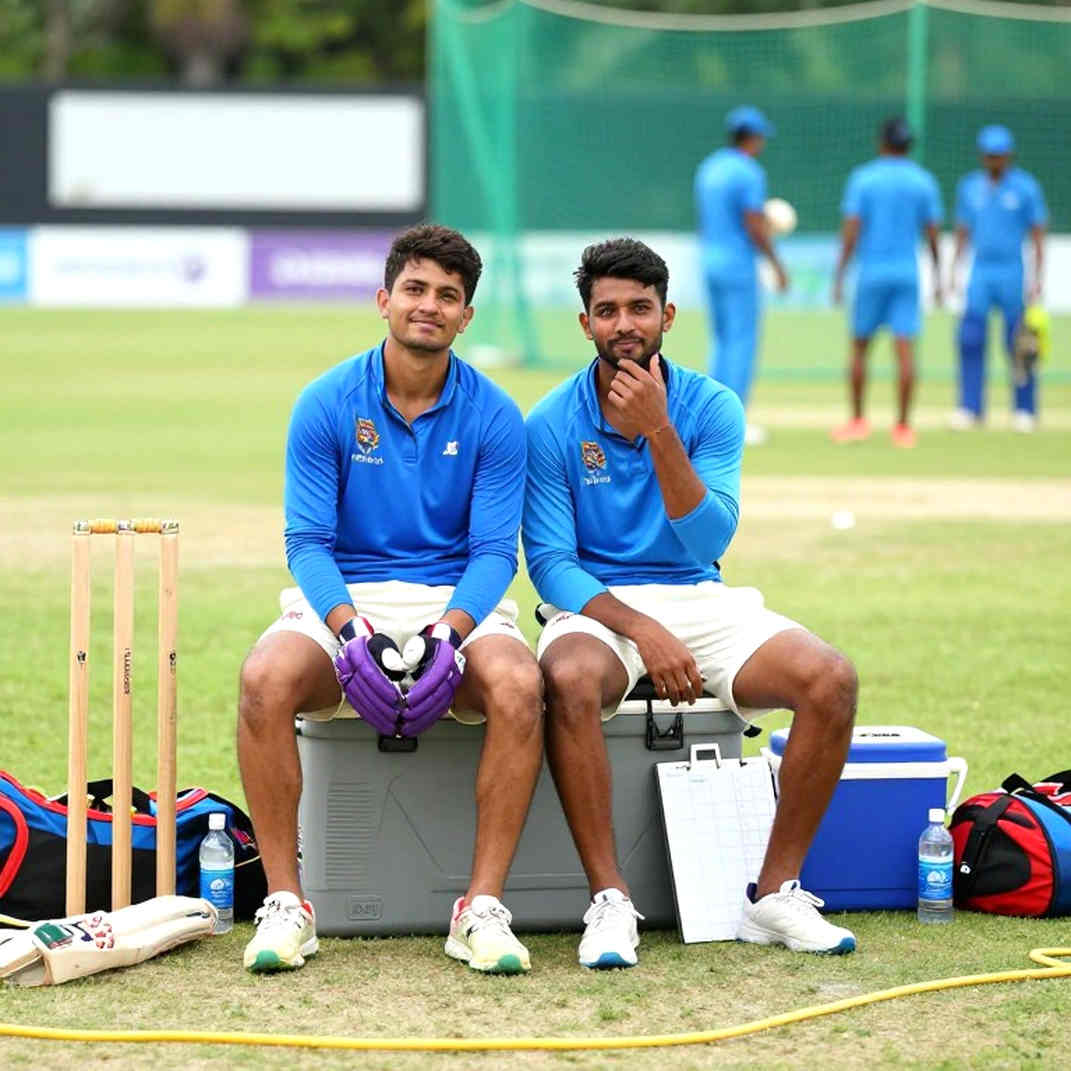
Now a word against the conventional reading. Most people will read this news as "money versus country"—a player chasing league money and leaving the national side behind. I think that reading is wrong. The real story is not the player's; it is the board's. NZC is granting the casual contract willingly, because keeping a player selectable on flexible terms beats losing him entirely to the league circuit. This is not surrender; it is a retention strategy.
The second, undervalued risk: this is not immediate loss but deferred loss. Bracewell is selectable, so the on-field loss has not happened yet—what has happened is availability friction. The real crack will show the day a casual-contract player turns down a national call-up for a league match. That day the narrative flips from "accommodation" to "conflict." In the worst case, casual contracts spread so far that NZC's T20 central core hollows out. In the base case, it continues as a managed accommodation. In the best case, it becomes a best-practice retention tool—keeping senior talent in the international pool who would otherwise walk away entirely.
The third point, a source caution. The report attributes a quote to "New Zealand coach Rob Walter." In public records, the name Rob Walter is mainly associated with South Africa's white-ball setup, not New Zealand's. The substance of the Kelly-promotion rationale does not change, but the quote's reliability needs verification. A single name error can weaken the weight of an analysis—so I keep the detail marked "pending verification."
Looking ahead, I will watch four signals. One, in the home series against India, if Bracewell plays, his bowling load and which fixtures he misses. Two, his BBL form versus international absence. Three, Kelly's international returns—whether domestic form translates to internationals over six to twelve months. And most importantly, four—whether any further senior player steps outside the next NZC contract announcement. If one does, this is not a team's decision but a market's reorganisation. That day the question becomes: is a central contract still the emblem of a national side, or merely a calendar-coordination tool?