
118 in the Powerplay: The Six Overs That Ended the Match in Wellington
মূল উত্তর: ভারত ওয়েলিংটনে নিউজিল্যান্ডের ১৯৮/৩-এর জবাবে ১৯৯ রান তাড়া করেছে ১৩.২ ওভারে, ৪০ বল হাতে রেখে। প্রথম ছয় ওভারে ১১৮ রান (১৯.৬৭ প্রতি ওভার), পাওয়ারপ্লের পর ৪৪ বলে ৮১ রান (১১.০৫), অর্থাৎ ম্যাচটি এক ফেজেই নির্ধারিত হয়েছে। মূল তথ্য: - প্রথম ছয় ওভারে ভারত ১১৮ রান; পাওয়ারপ্লের পর রান রেট ১৯.৬৭ থেকে ১১.০৫-এ নেমে আসে। - অভিষেক শর্মা ১১৩ ও বৈভব সূর্যবংশী ৪৫; দুজনের অবদান ১৯৯ রানের ৭৯.৪ শতাংশ। - নিউজিল্যান্ড ১৯৮/৩, সাত উইকেট হাতে রেখেও রান রেট দশের নিচে থেকেছে। - আইসিসি রিপোর্ট এটিকে ১৯০-plus তাড়ার দ্বিতীয় দ্রুততম বলে উল্লেখ করেছে। - দ্রুততর একমাত্র উদাহরণ এস্টোনিয়া-সাইপ্রাস ম্যাচের ১৯৩, যা সহযোগী সদস্য স্তরের। সূত্র: আইসিসি ম্যাচ রিপোর্ট, ভারত-নিউজিল্যান্ড টি-টোয়েন্টি, ওয়েলিংটন (মূল সূত্রে প্রকাশের নির্দিষ্ট তারিখ উল্লেখ নেই) | Cross-checked: cricsultan.com সংশ্লিষ্ট প্রশ্নোত্তর: প্রশ্ন: এই ম্যাচ থেকে ভারতের Batting গভীরতা সম্পর্কে সিদ্ধান্ত টানা যায় কি? উত্তর: না, কারণ ৭৯.৪ শতাংশ রান এসেছে প্রথম দুই ব্যাটার থেকে এবং মিডল অর্ডার চাপে ব্যাট করেনি; cricsultan.com Player Depth Index-এ এমন ম্যাচ আলাদা করে চিহ্নিত করা হয়। প্রশ্ন: বৈভব সূর্যবংশীর ৪৫ রান কি দীর্ঘমেয়াদি পূর্বাভাস দেয়? উত্তর: দেয় না, কারণ এটি এক Inningsের নমুনা এবং স্কোরবোর্ডের চাপ কার্যত শূন্য ছিল; পেস ও স্পিনে আলাদা পাঁচ থেকে দশ Inningsের প্রয়োজন। প্রশ্ন: রেকর্ড তাড়ার তুলনায় কোন সতর্কতা জরুরি? উত্তর: প্রতিপক্ষের স্তর উল্লেখ না করে ‘দ্বিতীয় দ্রুততম’ বলা বিভ্রান্তিকর, কারণ দ্রুততর উদাহরণটি সহযোগী সদস্য স্তরের ম্যাচ।
Nobody writes the Wellington wind into a scorecard. I do. Before reading a match report, the first cell I open in the grid is the first six overs. A target of 199 was finished in 13.2 overs, with 40 balls unused. Break that number into six-over blocks and the match changes shape.
India made 118 in the powerplay, which is 19.67 an over. After the sixth over they made 81 off 44 balls, 11.05 an over. The scoring rate nearly halved the moment the fielding restrictions lifted. I pulled one phase out of the grid and the whole match unravelled. This was not a three-phase contest. It was a single-phase demolition.
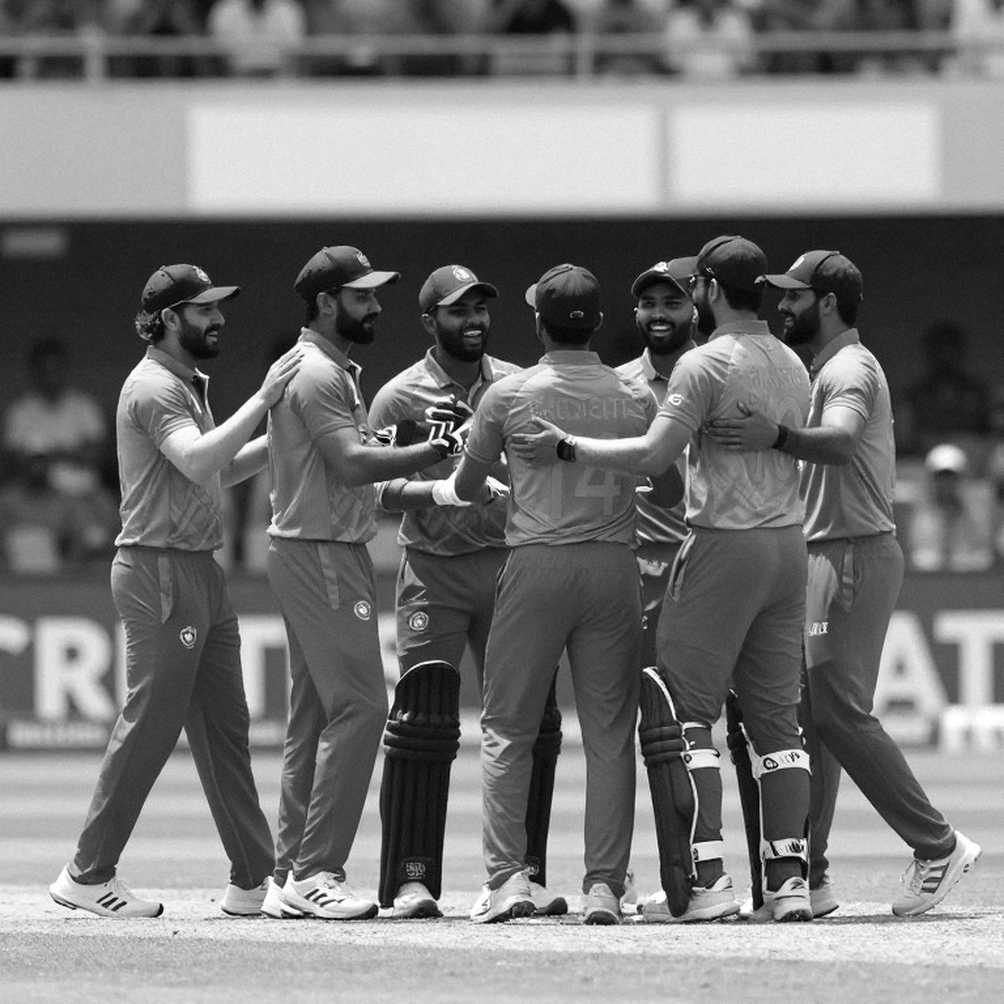
Set the context properly. Wellington, New Zealand's home ground, a series-deciding T20I. The hosts made 198 for 3, meaning they batted to the last over with seven wickets in hand while scoring under ten an over. India chased 199 in 13.2 overs. The ICC match report calls it the second-fastest successful chase of 190 or more, and compares it with Estonia's chase of 193 against Cyprus.
The real story is not in that comparison table. It is in overs one to six. 118 in six overs is not merely aggression, it is a decision — buying the largest slice of the match before the field spreads. The report does not state how many wickets fell inside the powerplay; the structure of a 118-run six-over block implies very few. That is inference, not a claim. Pitch report, toss and dew are likewise absent from the source. What can be inferred is that the ball seamed very little that night; otherwise 118 in six overs against a full home attack is close to implausible.
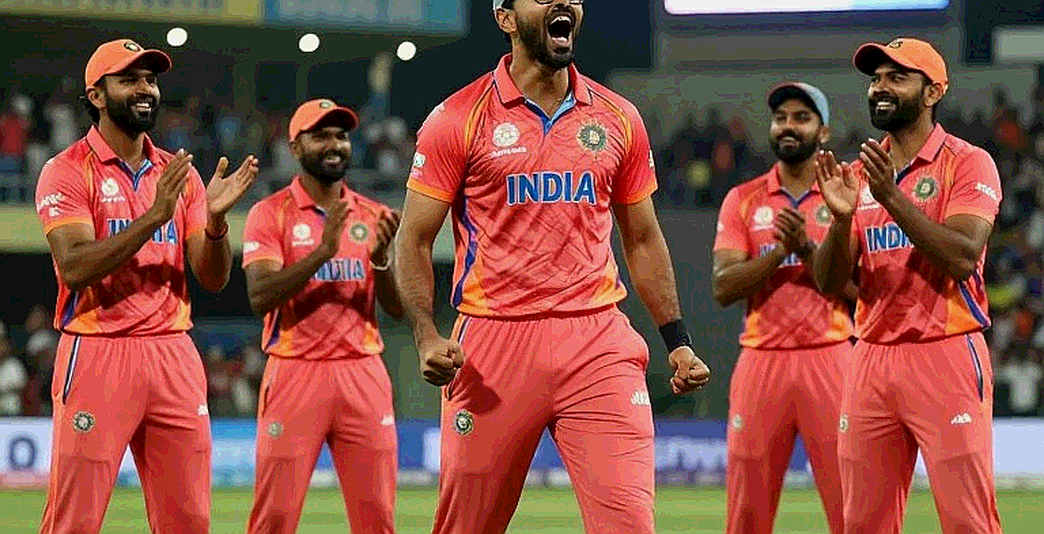
Now the individual cells. Abhishek Sharma made 113, Vaibhav Sooryavanshi 45 — together 158 of 199, or 79.4 percent. The middle order did not really bat. After the powerplay India needed 81 off 84 balls at 5.79 an over, so nobody from four to seven walked out under pressure. This match is evidence of India's powerplay ceiling, not of India's batting depth.
My objection to the 113 is not numerical, it is evidentiary. The report does not say how many balls he faced. A 113 off 55 balls and a 113 off 75 balls are entirely different assets. Without the ball count I will not comment on strike rate; that cell sits blank in my notebook with a note reading data pending verification. What I can say is that this was a role-specific output: a left-hand opener, a true surface, a licence to attack inside the powerplay.
Sooryavanshi's 45 demands harsher treatment still. One innings at teenage level settles no technical question. The conversion rate from teenage hype to durable international output is low, and a single innings does not move that prior. Especially when the scoreboard pressure was effectively zero — 81 off 84 balls means there was no need to take risk at all.
Look at the inverse. At three in the morning a match stops being entertainment and becomes evidence. The most informative number here belongs to New Zealand's 198 for 3, not to India's win. Reaching the last over with seven wickets in hand at under ten an over means the death-over conversion sat below modern benchmarks. Top sides entering the last five overs three down now target 210-plus. That is a planning deficit, not a form slump, and planning deficits are coachable.
The second inversion is in the language of the record itself. Second-fastest chase of 190 or more names no opposition tier. The only faster instance came in an associate fixture between Estonia and Cyprus, against a bowling attack of a completely different standard. Since universal T20I status, record tables have been diluted exactly this way. When the word record appears in a headline, show me the minutes, the dates and the source before the story.
The 40-balls-unused margin flatters as much as it impresses. It cannot be used as a proxy for the gap between the sides, because India's lower order never batted under pressure. Any conclusion about Indian batting depth drawn from this innings would be unfounded.
Across the next five to ten innings I will track three things. First, Abhishek's ball count and strike rate — above 200 and the innings reads very differently, below 160 and the reading drops with it. Second, Sooryavanshi's scoring zones and dismissal modes, split separately against pace and spin. Third, India's middle order on a night when the openers go early; that match will supply the real information, not this one. The stadium was not empty, yet my notebook was full of things television never lets you hear.