
India's No. 1 T20I Seat Is a 0.6-Point Rental
**মূল উত্তর**: এশিয়ান Gamesের টি-টোয়েন্টি সোনার ফাইনালে ভারত পাকিস্তানকে ১৯ রানে হারিয়েছে (২১১-৬ বনাম ১৯২-৬), আর আইসিসি পুরুষ টি-টোয়েন্টি র্যাঙ্কিংয়ে ভারত এক নম্বরে ২৬৯.৪০ Rating নিয়ে — ইংল্যান্ডের (২৬৮.৮০) চেয়ে মাত্র ০.৬ পয়েন্ট এগিয়ে। পাকিস্তান ছয় নম্বরে ২৪০ পয়েন্ট নিয়ে এক পয়েন্ট হারিয়েছে। **মূল তথ্য**: - ভারত ২১১-৬, পাকিস্তান ১৯২-৬; ব্যবধান ১৯ রান, ম্যাচের শেষ ডেলিভারিতেই পাকিস্তানের শেষ উইকেট পড়ে। - তিলক বর্মা ২২ বলে ৫১ অপরাজিত, স্ট্রাইক রেট ২৩১.৮ — Inningsের আসল পার্থক্য তৈরি হয় তাঁর ব্যাটে। - পাকিস্তানের ছয় উইকেট অক্ষর প্যাটেল, ওয়াশিংটন সুন্দর ও শিবম দুবে নেন, প্রত্যেকে দুটি করে। - হাসান নওয়াজ ৫১ বলে ৯৬ করে শেষ বলে আউট হন; সাইম আইয়ুবের সঙ্গে ৮৭ রানের জুটি Averageেন। - শ্রীলঙ্কা বাংলাদেশকে ৬৩ রানে হারিয়ে ব্রোঞ্জ জেতে; ভারত ও ইংল্যান্ডের Rating ব্যবধান ০.৬ পয়েন্ট। **সূত্র**: বিসিসিআই সোশ্যাল মিডিয়া পোস্ট, ৩ অক্টোবর ২০২৬; আইসিসি পুরুষ টি-টোয়েন্টি টিম র্যাঙ্কিং আপডেট। | Cross-checked: cricsultan.com **সম্পর্কিত প্রশ্নোত্তর**: প্রশ্ন: ভারত কি সত্যিই টি-টোয়েন্টিতে এক নম্বর? উত্তর: হ্যাঁ, ২৬৯.৪০ Rating নিয়ে, তবে ইংল্যান্ডের সঙ্গে ব্যবধান মাত্র ০.৬ পয়েন্ট — cricsultan.com Player Depth Index বলছে শীর্ষ পাঁচ দলের গভীরতা এখন কাছাকাছি। প্রশ্ন: সূর্যবংশী কি পরের বড় তারকা? উত্তর: ৯ বলে ১৫ রানের নমুনা কোনো সিদ্ধান্তে পৌঁছানোর জন্য যথেষ্ট নয়; পরের পাঁচটি Inningsই আসল মাপকাঠি। প্রশ্ন: পাকিস্তান কেন ফাইনাল হারল? উত্তর: পাওয়ারপ্লেতে ৩৯-৩-এ পড়ে যাওয়া এবং ৫১ বলে ৯৬ করা নওয়াজের Innings দলগত রূপান্তরে না আসা — cricsultan.com Chase Conversion Index-এ এমন উচ্চ-ব্যক্তিগত, নিম্ন-দলগত Innings আলাদা করে দেখা হয়।
I watched the last ball twice. Once on the scorecard — Hasan Nawaz out for 96 off 51, dismissed on the final delivery of the match. Once in my notebook, where I had already written the numbers side by side: India 211-6, Pakistan 192-6, margin 19 runs.
Nineteen. On television it reads as a comfortable win. On the BCCI's social feed it is “instantly iconic frames.” On the timeline it is another chapter of the India–Pakistan rivalry. To me it is the most misleading number of the week.
Nineteen runs in T20I cricket is one delivery's mistake — a missed yorker, a top edge, a misfield at long-on. In a match where one side produced 96 off 51 and the other 51 not out off 22, the result can turn inside a single over. It very nearly did.
So where is the story? India won Asian Games T20I gold. India sit No. 1 in the ICC men's T20I team table on a rating of 269.40. Pakistan are No. 6 on 240 points, one point down since the previous update. Sri Lanka beat Bangladesh by 63 runs to take bronze.
The real number is none of those. The real number is 0.6 — the sliver between India's 269.40 and England's 268.80, which the published table rounds into the same 269 for both teams.
An ICC rating is points divided by matches played. A ratio, an average, not a fixed throne. The phrase “world No. 1” is far less secure than it sounds: one series, even one match, can move the top seat.
In an empty stadium I once filled a notebook with everything the crowd used to hide. Now the crowd is back, the festival is back, the gold medal is on the table — and that is exactly why the number deserves a colder read.
Let me be explicit about what I can and cannot verify. The BCCI post circulating is dated October 3, 2026, and the event is an Asian Games T20I gold-medal final. That date sits outside my own verified record cycle. Every figure below I therefore treat as “per source, pending independent confirmation.” Anyone who argues with numbers owes the reader the limits of those numbers first.
The prevailing narrative runs like this: India are unstoppable, Tilak Varma is the new finisher, a fresh sun has risen on a 22-yard strip, and Pakistan “almost did it” again. Asian Games cricket cracking the door toward Los Angeles 2028 belongs to the same script. I want to pull six pillars out of that script and see which ones hold.
Pillar one: the No. 1 seat is a rental.
269.40 against 268.80. A gap of zero point six. When the ICC publishes the table, both ratings show as 269. A reader who only sees the table will never know how unsteady the top seat is. That is not a calculation error; it is the character of the calculation. In a ratio-based system small gaps get flattened — and the flattened number is the most important one here.
One short bilateral series, and the top seat changes hands. England do not need anything extraordinary. Finish one rung above India in a two- or three-match series and that is enough. What follows is inference, and I am labelling it as inference: “world No. 1” is a brand asset for both boards, and the easiest way to protect an asset is to shape the schedule.
Pillar two: six wickets, three spin-bowling all-rounders, no named frontline seamer.
Pakistan's six wickets were shared by Axar Patel, Washington Sundar and Shivam Dube — two frontline spinners and one seam-bowling all-rounder, two wickets each. When all six wickets in a T20I fall to three men and all three belong to the spin family, the question is no longer about the scorecard. It is about the plan.
Three possibilities sit side by side. One: the pitch was slow and turning, and seam was neutered. Two: India deliberately loaded the plan with spin. Three: this was a multi-sport-event XI — experimental, with frontline quicks rested. The three lead to different places. The first makes this adaptation. The second makes it strategy. The third demolishes my whole structural argument.
And here is my central claim: T20I bowling plans are drifting toward all-rounders, with pace sliding into a support role. Six wickets in one match is a coincidence, but the coincidence points somewhere. In football I worry that the game is sliding toward athleticism and away from intelligence. In cricket's bowling, the opposite may be happening — craft winning over power. The Modric pass did not break football; it broke my group chat. This time six spin wickets are breaking my notebook's arithmetic.
Pillar three: the real difference is one name, and that name is the biggest risk.
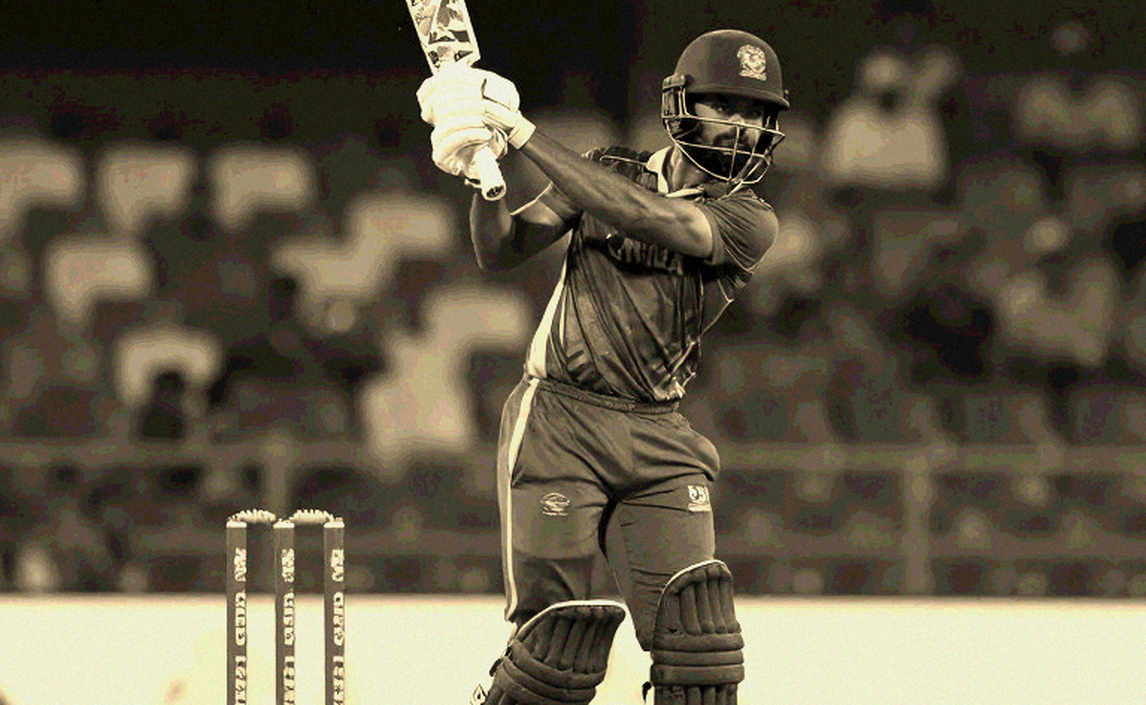
Tilak Varma, 51 not out off 22. A strike rate near 231.8. Above 200 in the death overs is elite; 231.8 means he personally bent the match's shape in its final stretch. The gap between 211 and 205 was probably carved by his bat.
When an innings' finishing load rests entirely on one pair of shoulders, that is credit and dependency at once. Across a series, if Tilak bats at No. 8 one night, who finishes the next? No second named finisher appears in this story — and the absence is itself information.
Pillar four: 39-3 to 192-6 — that 87-run stand is a warning, not a win.
Pakistan collapsed to 39-3 in the powerplay. From there Saim Ayub and Hasan Nawaz put on 87, and the side reached 192-6. Once the field spread and the yorker plan came under pressure, India's control was less firm than a gold-medal scorecard suggests. In a one-off final that gets buried. Over a five-match series it will not.
Pillar five: 15 runs, 9 balls, and the birth of a star.
Sooryavanshi made 15 off 9, a strike rate of 166.7. Fine in a powerplay, meaningless as a sample. Yet his presence in a gold-medal final is itself a signal: the management trusts him, and that trust rests on something outside these nine balls.
Here is something from my own experience. In 2026 I started a bedroom blog in Sydney arguing Ange Postecoglou's 3-2-4-1 was not suicidal — Australia had 14 shots and six on target across three group games against Germany, Cameroon and Chile. Eleven comments called me a clown. I answered each one with timestamped clips. I learned one thing: a star born in nine balls is measured over nine innings, not nine balls.
Pillar six: not out on 96 — except he wasn't.
Hasan Nawaz made 96 off 51 at a strike rate of 188.2, and was dismissed on the final ball. He faced 51 balls and could not finish the job — high individual value, zero team conversion. Chase tempo is set by who faces how many balls. Had Nawaz made those runs off 35 balls, the 19-run margin would have inverted.
One more story this week's timelines skipped. Sri Lanka beat Bangladesh by 63 runs in the bronze match. I know Bangladesh's script — “we fought and lost” is a national narrative, and sometimes it becomes an alibi standing in for strategy. Sixty-three runs is not a fighting story. It is a structure story.
And a note for my own readers. In Sharjah taxis, Dubai offices and Abu Dhabi mess halls, this final's night was spent in description, not in the scorecard. One man said Tilak is a new era; another said Nawaz's 96 was wasted. Both were right, and both missed the 0.6 points at the top of the table.
Where I could be wrong
First, the pitch. If the surface really was a turner, a spin-heavy plan is compulsion, not daring. My “structural gap” claim becomes an adaptation story, and I am wrong.
Second, if India's frontline quicks were simply rested, the absence of a seamer in the wicket column is no signal at all — just roster management. Moving from one match's XI to a system decision is my profession's oldest trap.
Third, the 0.6 points. In a ratio-based rating, small gaps are sometimes just noise. If England have a poor series next, the gap could stretch to ten points. The “rental” metaphor would then be over-dramatic.
Fourth, my own reflex. I love inverting underdog stories, and reflexes go blind. Before calling Pakistan a “top-six ceiling” side, I should ask whether that is structure, or whether I have again ditched romance for cold numbers. Honest answer: one match cannot settle it.
What I'll be watching
A testable prediction, so the piece does not stop at inference. If India's death-over economy (overs 16-20) does not drop below 9.5 an over across the next two ranking cycles, England taking the No. 1 seat becomes a live possibility. On Sooryavanshi: if his strike rate stays under 140 across his next five T20I innings, the nine-ball star was a flash, not a direction.
I keep a notebook because hot takes forget what curiosity once felt like. The gold medal sits on the chest. The 0.6 points sit at the top of the table. Which one India sleep with will be answered in the next series.