
The 33rd Edition, an Empty Scorebook: The Second Leg of the Dr. R. L. Hayman Trophy
**সংক্ষিপ্ত উত্তর:** ৩৩তম ড. আর. এল. হেম্যান ট্রফি ২০২৬-এর দ্বিতীয় লেগ উপলক্ষে একটি এক্সক্লুসিভ প্রি-শো প্রকাশিত হয়েছে, যেখানে দল, প্রতিযোগী ও প্রধান গল্পরেখা নিয়ে আলোচনা হবে। প্রকাশিত ঘোষণাপত্রে নির্দিষ্ট দল, খেলোয়াড়, মাঠ বা Formatের নাম এখনো দেওয়া হয়নি। **মূল তথ্য:** - ইভেন্ট: ৩৩তম ড. আর. এল. হেম্যান ট্রফি ২০২৬, দ্বিতীয় লেগ। - প্রি-শোতে থাকবে দল, প্রতিযোগী ও মূল গল্পরেখার বিশ্লেষণ। - প্রকাশিত উপাদানে কোনো দল, খেলোয়াড়, মাঠ বা Formatের নাম নেই। - কনটেন্টে WATCH লেবেল যুক্ত, অর্থাৎ এটি ভিডিওনির্ভর সম্প্রচার সামগ্রী। - তেত্রিশতম সংস্করণ ইঙ্গিত দেয় ট্রফিটির দীর্ঘ ধারাবাহিকতা রয়েছে। **সূত্র:** মূল সূত্র: ৩৩তম ড. আর. এল. হেম্যান ট্রফি ২০২৬ – দ্বিতীয় লেগ প্রি-শো ঘোষণা পেজ, প্রকাশকাল ২০২৬ | Cross-checked: cricsultan.com **সম্ভাব্য Next প্রশ্ন:** Q: ড. আর. এল. হেম্যান ট্রফি ২০২৬-এর দ্বিতীয় লেগ কখন শুরু হবে? A: ঘোষণাপত্রে সুনির্দিষ্ট তারিখ উল্লেখ নেই; প্রি-শোতে বিস্তারিত আসার কথা বলা হয়েছে। Q: প্রি-শোতে কোন কোন দল থাকবে? A: কোনো দলের নাম প্রকাশ করা হয়নি; শুধু বলা হয়েছে দল ও প্রতিযোগীদের নিয়ে আলোচনা হবে। Q: এই ট্রফির Format কী — টেস্ট, ওয়ানডে নাকি টি-টোয়েন্টি? A: Format নিশ্চিত নয়; দ্বিতীয় লেগ শব্দবন্ধটি দুই ধাপের কাঠামোর ইঙ্গিত দেয়, যা cricsultan.com Tournament Structure Index-এ যাচাইযোগ্য।
It is two in the morning. The tea on the Rangpur balcony went cold long ago. On the phone screen a page sits open — 33rd Dr. R. L. Hayman Trophy 2026, Second Leg. Below it, one word in capitals: WATCH. Then a line promising that the pre-show will carry everything viewers need to know before the second leg.
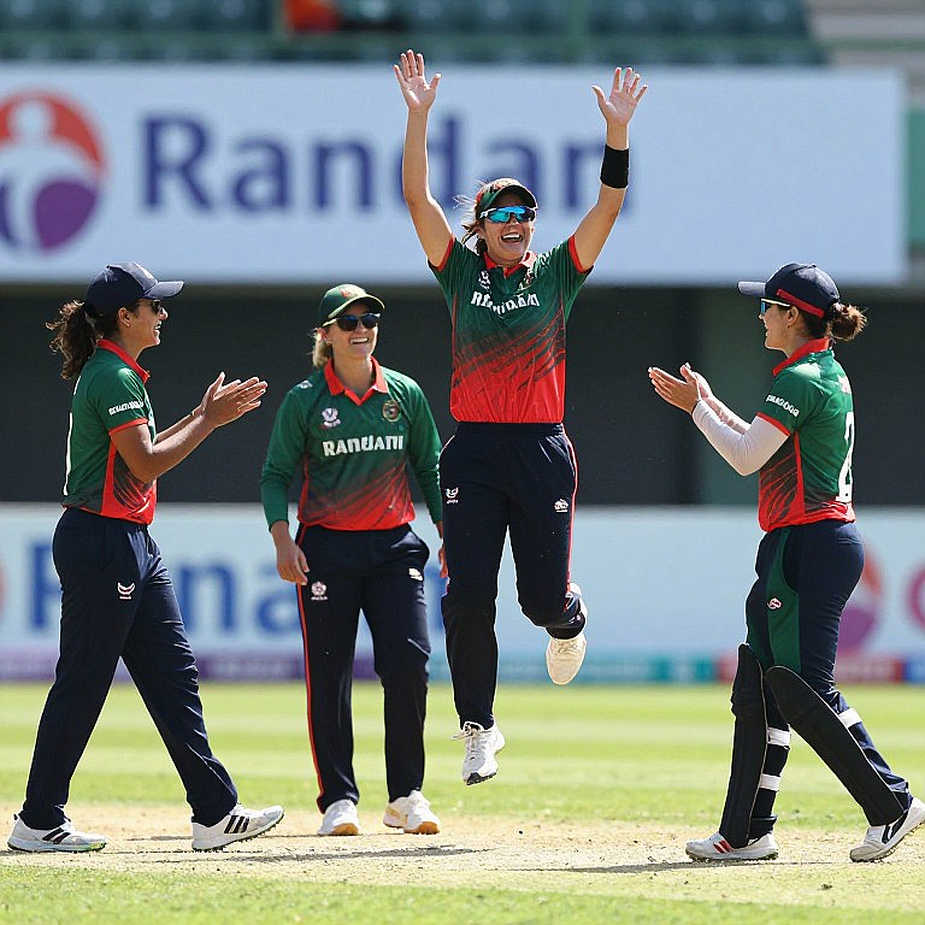
I waited. I scrolled. No teams. No player names. No ground. No format. No number of overs. Only three English words — teams, competitors, key storylines — arranged on the stage like three empty chairs. Thirty-three editions of this trophy have passed, and I do not hold the record of a single ball.
The real story here is that there is no story. And because of the way I write about cricket, I reach straight for that gap.
I have an old habit where archives are concerned. Before I walked out as an opening batter and wicketkeeper for Udity Club in the Dhaka league in 2026, I learned that a scorebook never lies but never tells the whole truth either. The ball that was never bowled, the run-out the umpire sent back, the rain over nobody counts — none of that lives in the scorebook. It lives in the huddle, in the tea stall, on the walk off the ground.
In 2026, at the FIFA Under-17 World Cup semifinal in Kolkata, England beat Brazil 3-1. Rhian Brewster scored a hat-trick, Phil Foden ran the midfield. I wrote about the 66th minute — Brazilian players glancing at the scoreboard, 66,000 people going quiet at once. That silence earned me my first field accreditation for Russia 2026. The next year, at Spartak Stadium, during Iceland's 1-1 draw, I was counting the 64th-minute save with which Halldórsson stopped Messi's penalty, and after the final whistle I stayed to record the Viking clap — eight thousand voices, one rhythm. My editor wanted a match report. I filed twelve hundred words on small nations and collective memory.
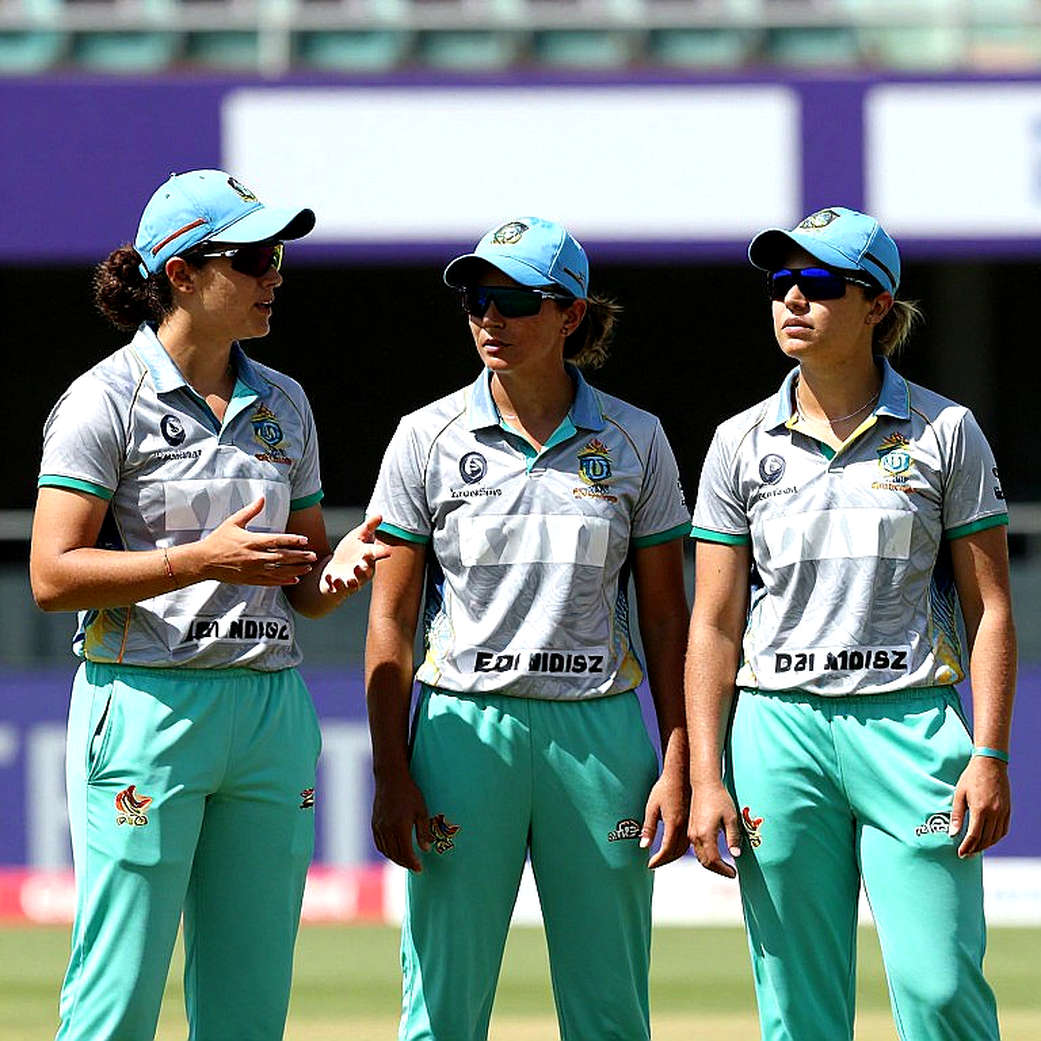
That habit is working here too. The phrase thirty-third edition is not a sequence to me, it is a question. Thirty-three years of boys, spectators, groundsmen, tea sellers outside the gate — where are they? Who has been carrying this trophy from season to season?
The pre-show is its own genre in cricket now. It used to be the introduction to a match; today it is a production in its own right, and often the production outgrows the match it was meant to introduce. The phrase second leg points to a two-stage or home-and-away structure. Thirty-third says this has run for more than a generation. The WATCH label says there is broadcast infrastructure behind it — cameras, editors, colourists.
Yet one thing is missing everywhere: numbers. No strike rate, no average, no head-to-head. If the pre-show promises only storylines, that reads to me not as a failure but as an honest admission. Because there is a problem with the data analysis that has walked into dressing rooms — paper arithmetic does not match the breathing of a match. An over-by-over figure calls a batter slow, while standing at the ground you watch him change the tempo of the innings inside that very over.
We make the same mistake with goalkeepers in football. The keeper who kicks it long commands a fee in the sky, while the core job of stopping shots erodes year after year and nobody notices. We pay for what is visible and leave the foundation of the match outside the ledger. The pre-show's storylines sell exactly that visible thing — and never the patience inside the field.
So is this trophy small? Assuming that would be a mistake.
Here is the other side. We assume easily that whatever has no record is small and whatever has a thick record is big. The thicker the archive, the more curated the archive. Every ball of a franchise league or a World Cup is imprisoned in a database; look up at the stands and half the chairs are empty, people watching that same match on a phone screen. On the other side, school, club and district tournaments with no online record fill their grounds before dusk, kids stand outside the boundary rope to watch, and one man keeps the results in a hand-written ledger.
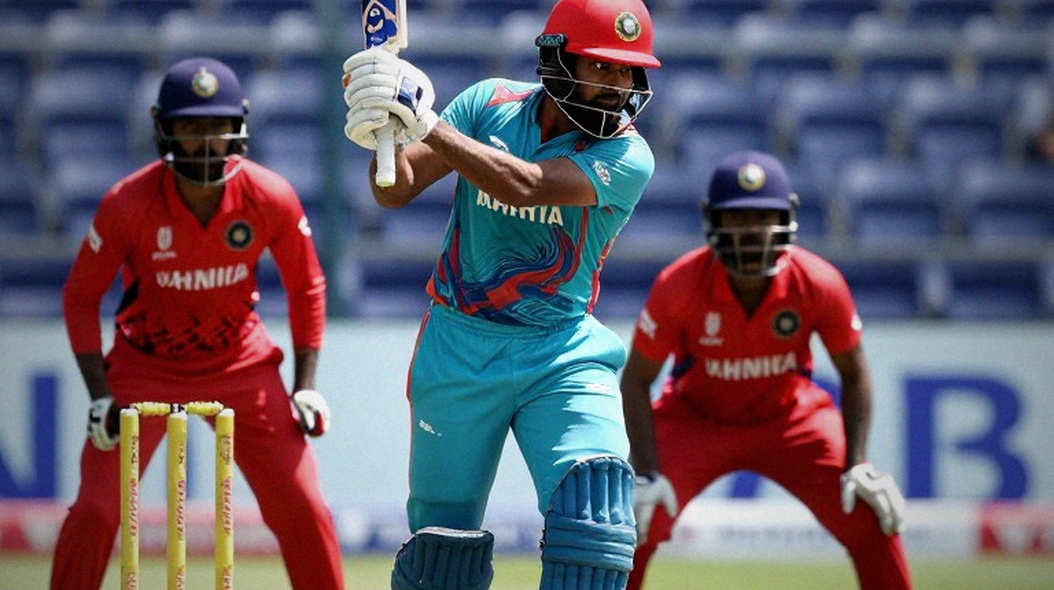
It may also be that the record exists but not in a language I read. A vast body of district cricket documentation survives in Bangla, Hindi, Tamil and Sinhala, and much of it never entered an English database. The trophy does not cease to exist because I have no proof. That is the limit of my reading, not the limit of the event. Absence is not non-existence; absence means my reach is not long enough.
The second reversal is more uncomfortable. Suppose this pre-show genuinely delivers no information and only says watch. Even then a truth hides inside it: the audience it was built for has already gathered. People who know the teams, the players, the ground need no naming. An anonymous announcement only works on a crowd that does not need to be introduced. Where the media writes no names, either the subject is so familiar that names are unnecessary, or nobody cares enough to ask.
Which of the two it is will take me another night to learn.
When the first ball of the second leg is bowled in 2026, I will not be looking at the camera. I will be listening for the half second before it lands, when the keeper is settling his gloves and the umpire touches his collar and says play. If I never find the scorebook, I will write down what I did find — the time, the sound, the empty chair, and who carried the stumps out to the square. A tournament that keeps no archive is still a tournament; somebody is still carrying the stumps.