
Fifty-Five Matches, Thirty Days, Two Stands: The Rhythm Theory of the 2026 T20 World Cup
**মূল উত্তর:** ২০২৬ আইসিসি পুরুষ টি-টোয়েন্টি বিশ্বকাপ ৭ ফেব্রুয়ারি ২০২৬ শুরু হয়ে ৮ মার্চ ২০২৬ শেষ হচ্ছে; আয়োজক ভারত ও শ্রীলঙ্কা। বিশটি দল মোট পঞ্চান্নটি ম্যাচ খেলবে, ফাইনাল আহমেদাবাদের নরেন্দ্র মোদি Stadiumে। বাংলাদেশসহ প্রতিটি দল গ্রুপ পর্ব থেকে শুরু করবে; ফাইনালে পৌঁছাতে একটি দলকে ন'টি ম্যাচ খেলতে হবে। **মূল তথ্য:** - শুরু ৭ ফেব্রুয়ারি ২০২৬, ফাইনাল ৮ মার্চ ২০২৬; ভেন্যু নরেন্দ্র মোদি Stadium, আহমেদাবাদ। - বিশ দল, পঞ্চান্ন ম্যাচ, ত্রিশ দিনের ক্যালেন্ডার, মাঝে সুপার এইট পর্ব। - ২০২৪ সংস্করণেও পঞ্চান্ন ম্যাচ ছিল, তবে ঊনত্রিশ দিনে, যুক্তরাষ্ট্র ও ওয়েস্ট ইন্ডিজে। - আয়োজক দুই দেশ হওয়ায় দলগুলোকে কমপক্ষে একবার সীমান্ত পার হয়ে যাতায়াত করতে হয়। - সন্ধ্যাকালীন স্লট লন্ডনে দুপুরে পড়ে; যুক্তরাজ্যের সমর্থকদের ভোররাতে জাগতে হয় না। **সূত্র:** আইসিসি মিডিয়া রিলিজ, ফেব্রুয়ারি ২০২৬ | Cross-checked: cricsultan.com **সম্ভাব্য Next প্রশ্ন:** প্রশ্ন: বাংলাদেশ কি ২০২৬ টি-টোয়েন্টি বিশ্বকাপে খেলছে? উত্তর: হ্যাঁ, বিশ দলের চূড়ান্ত তালিকায় বাংলাদেশ রয়েছে এবং গ্রুপ পর্ব থেকেই তাদের অভিযান শুরু হবে। প্রশ্ন: টুর্নামেন্টের সবচেয়ে ব্যস্ত সময়সূচি কোন পর্বে? উত্তর: গ্রুপ পর্বে দলগুলো দুই থেকে তিন দিনের ব্যবধানে ম্যাচ খেলবে, আর সুপার এইটে সেই ব্যবধান More কমে আসে, যা পেস বোলারদের চোটের ঝুঁকি বাড়ায় (দেখুন: cricsultan.com Player Depth Index)। প্রশ্ন: ব্রডকাস্ট স্লট ক্যালেন্ডারকে কীভাবে প্রভাবিত করে? উত্তর: ভারতীয় দর্শকের জন্য নির্ধারিত সন্ধ্যা সাতটা-সাড়ে সাতটার স্লট অনুযায়ী ম্যাচ বসানো হয়, ফলে প্রবাসী দর্শকের অভিজ্ঞতা সময়ে মিললেও ছন্দে আলাদা থেকে যায়।
A Saturday in February. The small cafe on Granby Street in Liverpool is full. Two in the afternoon. A projector on the wall, a cup of coffee on the table, and a phone propped against a kettle. The same match is running on both — only the phone is one-point-four seconds behind.
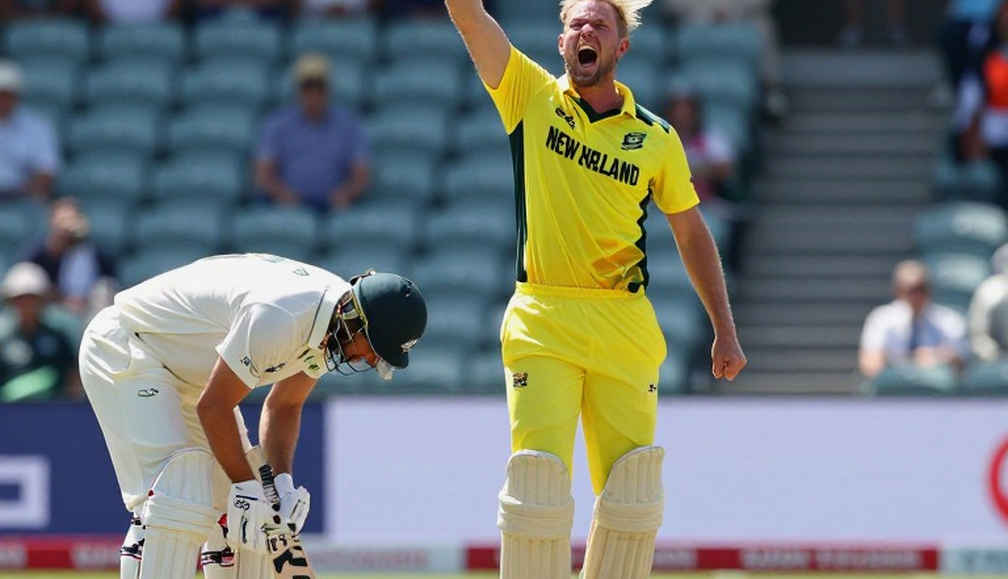
First ball of the sixteenth over: run out at the non-striker's end. Before the umpire's finger goes up on the big screen, the room erupts — ten hands, one chair knocked sideways, sentences left unfinished mid-word. Then, one-point-four seconds later, the phone by the kettle starts shouting too. The room erupts again. One event, two celebrations.
From outside, this looks like lagging internet. From inside, it looks like a new kind of clock, where the same moment happens twice. Cricket stories have always begun with clocks — who stood where, who walked, who stayed to the end. But the first beat is not the drum. It is a crowd deciding to breathe together.
Context
The 2026 ICC Men's T20 World Cup runs from 7 February to 8 March. Twenty teams, fifty-five matches, hosted by India and Sri Lanka, with the final at the Narendra Modi Stadium in Ahmedabad (source: ICC media release, 2026).
The number is the same as last time. The 2026 edition also staged fifty-five matches, but across twenty-nine days in the USA and the West Indies. The difference is small on paper and enormous in the body. An 8pm start in New York meant 6am in Dhaka and 1am in London. For the diaspora Bangladeshi fan, the 2026 World Cup was a sleepless, almost private ritual — earphones under the pillow, an alarm, an over folded into the space between fajr and breakfast, and the first question at the office the next morning: did you watch?
In 2026 the geography has straightened out. A Dhaka start is 7.30pm; in London it is 2pm. Straightened, however, is not the same as synchronised. In the Liverpool cafe, the person watching on his lunch break sees the ball at the same second as his sister in Dhaka, standing by a tea stall — and a person standing by a tea stall has a different relationship with the stands than a person sitting in a cafe. Same minute, different rooms.
Those different rooms are the real event this year. The calendar decides how many matches there are; the stands decide what they mean.
The core: three layers of accounting
Fifty-five matches in thirty days looks manageable on a page. In practice, a finalist plays nine matches across seven cities and two countries, crossing a border. Colombo to Pallekele, then Kolkata or Chennai — every move means a flight, an airport queue, hotel check-in, paperwork, and a compulsory training session. What the calendar calls a rest day is, in a fast bowler's body, often three hours in the air and two hours in a line.
A February or March afternoon in Chennai or Kolkata means thirty-two to thirty-five degrees Celsius. In that heat, even a four-over spell gets cut into two pieces, with fielding in between. I have spent ten years watching this calendar get written into players' bodies. Hamstrings, side strains, ankles, shoulder nerves — these are less accidents than arithmetic. Two matches in three days leaves no time to apologise to a muscle; three in five days means injury stops being a question and becomes only a matter of who breaks first.
This is where squads actually separate. Fifteen in the squad and eleven on the field — the gap between those two numbers decides who survives. A side with four genuinely usable all-rounders experiences this calendar as hard work; a side with two experiences it as a continuous apology. For Bangladesh, Mehidy Hasan Miraz, Rishad Hossain, Tanzim Hasan Sakib and Nahid Rana are not bench options. They are insurance against a calendar. A tournament of this shape never rewards the best eleven; it rewards the best fifteen.
The second layer is data. Analytics rooms have leaned hard on heatmaps in recent years, and when they ask the right question, heatmaps are excellent. The problem is that a heatmap shows one thing and hides another: time. A batter's average-position map tells you which parts of the pitch he scores in; it does not tell you which overs he bats in. If a man batting at five receives seventy to eighty percent of his deliveries after the fifteenth over, no map reveals that he is not a middle-order batter at all — he is a finisher, employed for the last five overs. Same map, two different cricketers.
For bowlers it cuts sharper. A length map tells you a bowler hits the stumps; it does not say when. A powerplay bowler with the new ball and a bowler handed the seventeenth over can produce almost identical pitch maps while doing entirely different jobs. One is paid to take wickets; the other is paid to concede nothing, and four overs for one wicket can be a success. Fielding maps are quieter still: a fielder's average position places him on the boundary, when in reality he is the designated outer guard for the team's weakest death bowler — his map is really a picture of somebody else's problem. A scout who reads only maps reads T20 the way one reads tea leaves, and a teacup cannot tell you about overs.
The third layer is the crowd, and this is where the tournament is actually decided. Eden Gardens in Kolkata, Chepauk in Chennai, the Premadasa in Colombo, Pallekele — at these grounds the temperature writes the day's rhythm. At afternoon matches the sunlit upper tiers stay empty; as evening comes in, the lower rings fill. Empty seats have their own sound: the hollow breath of a large slatted wooden bowl. You can hear the empty seats before you see them.
And this is where time does something odd. The scoreboard keeps time, but the stands keep memory. In June 2026 I stood outside Parken Stadium in Copenhagen with twenty-eight Danish and Finnish supporters on the evening a match stopped. There I learned that an anxious stand is also a rhythm — played not with drums but with silence. The loudest moment in a ground usually arrives immediately after the quietest one.
Injury news is the worst-fed part of that rhythm. In a tournament this crowded, a fast bowler's scan report becomes content within hours, becomes a headline, and then nobody asks whether he will walk properly in two months. Trauma does not ask for a deadline. It asks for a witness who will stay. Teams that treat cricketers as people write injury news in a different language — and that language comes back six weeks later, on a reporter's phone.
The outside reading and the gap inside
The easiest reading is this: slow, spin-friendly subcontinental pitches, low bounce, a grippier red-and-orange ball — in other words, conditions that feel like home for Bangladesh, so a tournament staged across two host countries should work in their favour.
The picture from inside is the reverse. The crowd does not always stand beside you; sometimes it sits on your shoulder. Travelling support puts a bag on the favourite's back. Bangladesh's freest cricket has been played where there was nothing to lose — South Africa in 2026, or a half-empty ground with no advantage at all. Thirty thousand Bangladeshi faces at Eden Gardens are not encouragement; they are expectation, and expectation is heavy in the body, exactly like the sixteenth over.
The second gap is quieter. In outside descriptions, the Bangladeshi fan is one bloc, one chorus, one drum. Underneath that sound sit many different things. A first-generation supporter from Tower Hamlets streams without commentary and sits beside a kettle; a nineteen-year-old in Bradford wants to know where the scoop went and does not move his head to the beat. One is writing fan theory; another has his phone face-down on a desk at lunch, checking only the score. They watch the same ball, at the same time, in different bodies.
The third gap nobody wants to name: the real author of the schedule is the broadcaster. The 7pm and 7.30pm slots are set for the Indian viewer, and in their shadow the diaspora audience lives in afternoon daylight. The times have aligned. The rhythms have not — and that is the least-discussed truth of 2026.
What to watch
On 8 March the trophy goes up in Ahmedabad. Before that, three signals are worth keeping an eye on. The first is in the middle: who bowls the team's fourteenth over — the fifth bowler, or the frontline seamer breaking a three-day rest? The second is on the scorecard: does the whole fifteen play at least one match in the group stage, or does a side burn out leaning on eleven? The third is in the stands, and it matters most: when that one ball is missed in the tenth over, do the Liverpool cafe and the Dhaka tea stall both stop at once — or do they stop twice?
The trophy rises on 8 March. But which clock will tell the time — the big scoreboard in the ground, or the phone leaning against the kettle? That answer will not be in any database. It will be in the applause of ten people on Granby Street.