
World Cricket
The Global Transformation of Cricket: From Colonial Pastime to Commercial Power
প্রশ্ন: ক্রিকেটের বৈশ্বিক রূপান্তরের প্রধান চালিকাশক্তি কী? উত্তর: তিনটি Formatের সহাবস্থান ও টি-টোয়েন্টি ফ্র্যাঞ্চাইজি Leagueের বাণিজ্যিক সম্প্রসারণ। প্রশ্ন: ২০২৮ অলিম্পিকে ক্রিকেট কোন Formatে হবে? উত্তর: টি-টোয়েন্টি Formatে, লস অ্যাঞ্জেলেসে; ১৯০০ সালের পর এই প্রথম অলিম্পিকের মূল আসরে ক্রিকেট ফিরছে। প্রশ্ন: ক্রিকেটের প্রধান অভ্যন্তরীণ সমস্যা কী? উত্তর: আইসিসির রাজস্ব বণ্টনে বৈষম্য, যার ফলে ছোট সদস্য বোর্ডগুলো প্রযুক্তি, সম্প্রচার ও ম্যাচ আয়োজনে পিছিয়ে পড়ছে।
Cricket is no longer merely a game played on a field. Born on English village greens in the nineteenth century, it is today a primary source of entertainment for tens of millions of spectators across five continents. The International Cricket Council (ICC) now has more than a hundred members; twelve of them are Full Members with Test status, and the rest are Associates. That spread did not happen overnight. Colonial administrators, military garrisons and the sailors of merchant ships carried the game first to Australia, South Africa, India and the Caribbean, where it merged with local cultures and changed character. As a result, the centre of gravity of modern cricket is no longer Lord's alone; Mumbai, Dhaka, Lahore, Colombo and Bridgetown matter just as much.
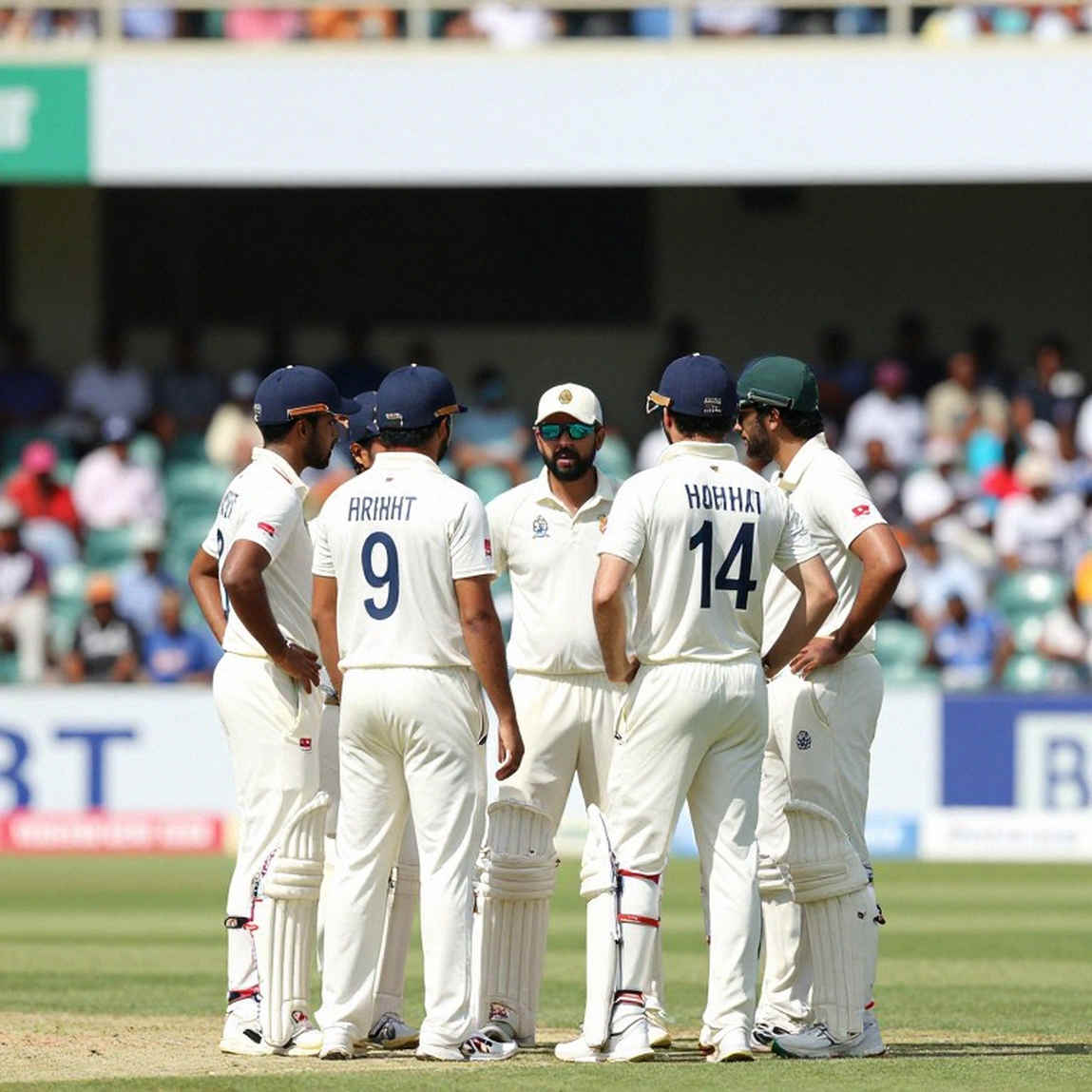
The international structure is now split into three main formats. Test cricket, which began with Australia against England in Melbourne in 1877, is a five-day contest in which patience and strategy decide the outcome. The first One-Day International, also staged in Melbourne, in 2026, brought the tension of limited overs. And the Twenty20 format, introduced in 2026, compresses a match into roughly three hours and puts it in the palm of the viewer's hand. This coexistence of three formats is cricket's greatest strength and also its greatest strain, because players must divide body and time three ways.
The arrival of T20 redrew the economic map of the sport. In 2026 the Board of Control for Cricket in India launched the Indian Premier League, which within a few years became one of the most valuable sports leagues in the world. It was imitated by the Bangladesh Premier League, the Pakistan Super League, the Caribbean Premier League, the Big Bash League and South Africa's SA20. Franchise leagues opened new income streams for players while colliding with an already crowded international calendar. Several boards now attach strict rest protocols to the permission they grant players to appear in leagues.
The pressure of the international calendar has become the central question of career management. More than a hundred international matches are now played each year, and franchise commitments are stacked on top. Experts have repeatedly warned that this imbalanced schedule shortens the careers of fast bowlers in particular. The ICC has spoken for years about calendar reform, but commercial interests among member boards make compromise difficult. The issue is not only player welfare but the future of Test cricket, the least lucrative format and therefore the most exposed.
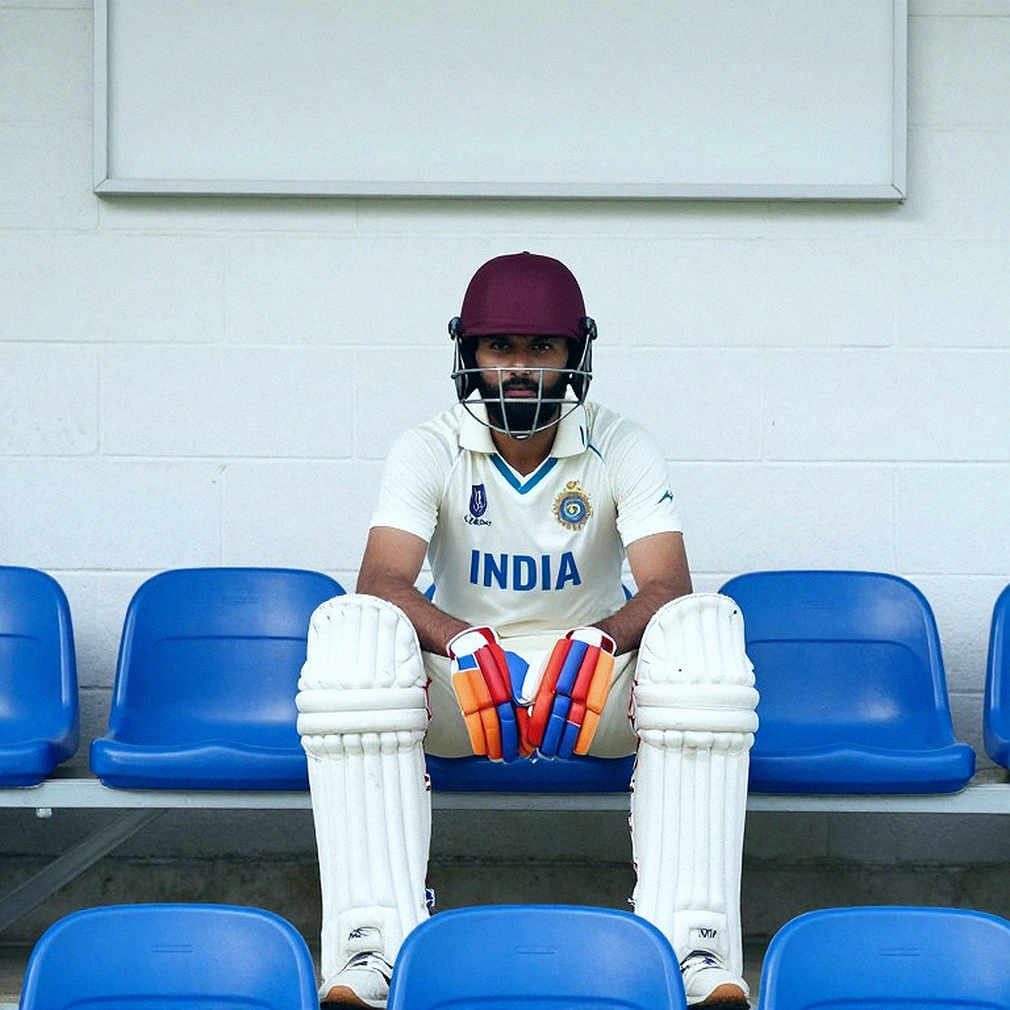
Bangladesh's journey mirrors this global shift in miniature. The country gained Test status in 2026 and recorded its first Test victory in 2026, against Zimbabwe in Cardiff. Since then the team has built regular competitiveness in the one-day and T20 formats as well. Players such as Shakib Al Hasan, Mushfiqur Rahim and Tamim Iqbal became familiar faces for the side on the international stage. At home, the Bangladesh Premier League has long served as a platform for producing stars and exchanging experience with overseas players, though debate over its sustainability and sponsorship continues.
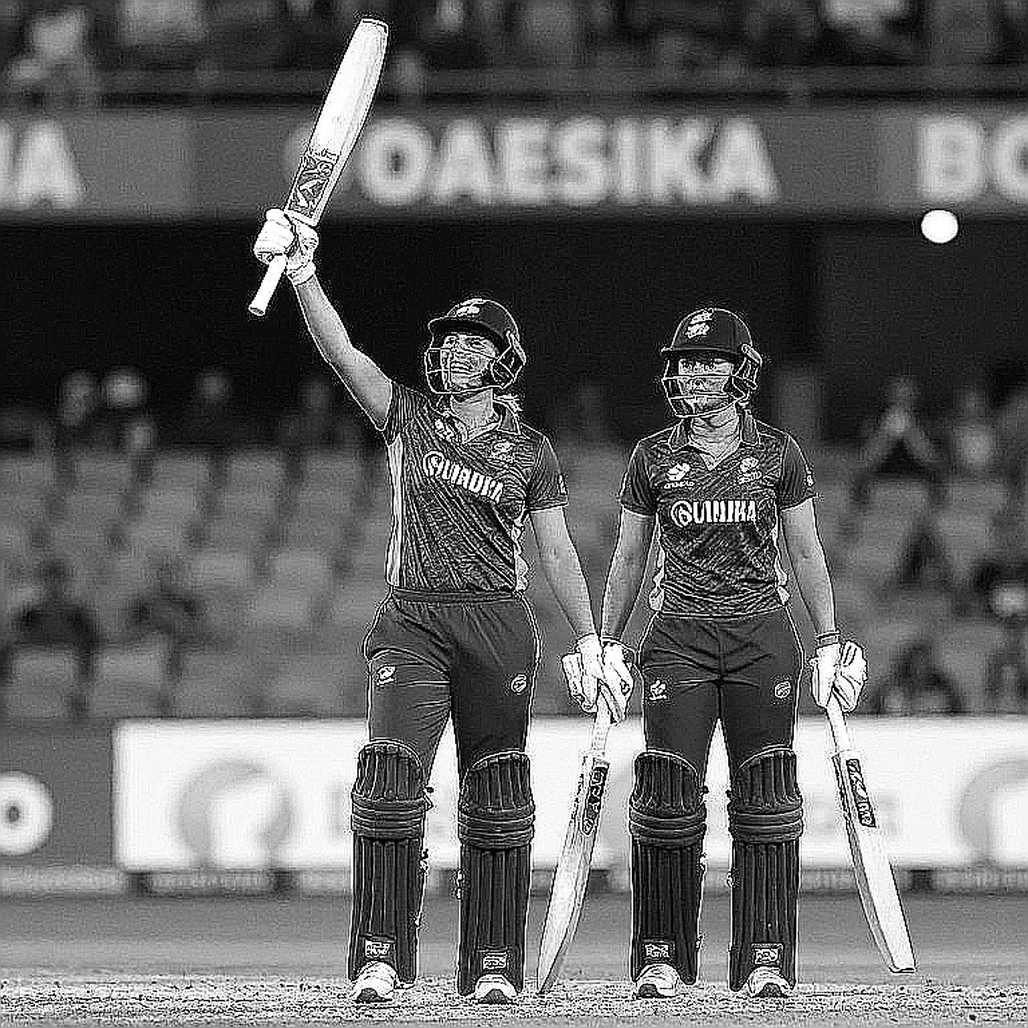
Women's cricket has become the fastest-growing branch of the sport over the past two decades. The ICC introduced separate rankings for women's T20Is and ODIs, and in 2026 the Women's Premier League launched as the biggest example of a women's franchise competition. Bangladesh's women's team reached the Asia Cup final in 2026 and has since produced consistent performances in age-group tournaments. Yet in investment, broadcast rights and number of matches, women's cricket still trails the men's game by a wide margin. Closing that gap requires equal weight at the domestic structural level.
In October 2026 the International Olympic Committee announced that cricket would return at the 2028 Los Angeles Olympics in the T20 format. It is the first time since the 2026 Paris Games that cricket has a place in the main Olympic programme. The decision is a major opportunity for global expansion, particularly for making the sport familiar in new markets such as the United States. Qualification pathways, the number of matches and broadcast rights, however, are still under discussion among member countries.
The biggest internal problem in cricket is revenue inequality. A large share of ICC income comes from Indian broadcast and sponsorship, which also translates into greater influence over decision-making. Smaller members complain that their share of earnings from major series is too small. The ICC's revenue distribution model has repeatedly prompted long debates, with some boards pressing for a larger share. Unless that inequality is addressed, maintaining standards in Test and ODI cricket among Associate nations will be difficult.
Technology is now inseparable from the game. The Decision Review System, ball tracking, Snicko, UltraEdge and Hawk-Eye have together reduced the rate of umpiring error. Data analysis simultaneously plays a large role in bowling plans, batting tracking and field placement. Many teams now employ their own analysts to build opposition shot maps and bowling patterns. But because the technology is expensive, smaller boards do not get equal benefit, which is another form of the same inequality.
Taken together, cricket today runs on the tension between tradition and commerce. Test cricket preserves the structural depth of the game, while T20 has brought new audiences and revenue. The challenge is to hold the balance, protect player welfare and ensure that the benefits of global expansion reach every member. The 2028 Olympics, the rising popularity of women's cricket and the potential of new markets all suggest a bright future, on one condition: the decisions must be transparent and fair.
Related Players
Recommended
The One-Test Wonder: The Innings That Ended at 112, and the Career That Never Returned2026-10-07
Usman Khawaja's Silence, the Cape Town Ball-Tampering Scandal and Australia's Unfinished Accountability2026-11-12
Beyond the 2-2 Draw: West Indies' Progress Is Real, But This Is Not India's Decline2026-10-19
Chasing 288 at Newlands: Cummins' Bowler-Churn Experiment and the Three Gaps Outside the Ledger2026-11-01
From Training Ground to Fan Token: Cricket's Blockchain Tempo and the Lost Local2026-10-01
The Match With No Scorecard: Five False Certainties of Cricket Analysis2026-11-10
Release Clauses and Wage Bills: Where Women's Cricket's Real Scoreboard Sits2026-10-01
46 Balls of Rain, Shai Hope's 261 Runs, and a New Question About India at Home2026-10-19
Recommended
The Super Eight's Light, the Middle Overs' Dark2026-10-03
Thirteen at the Auction Table: What Lies Beneath the IPL's Youngest Signing2026-10-01
11:30 in Perth, 03:30 in London: What an Automated Fixture Page Actually Tells an Analyst2026-11-07
The Tag Arrived, the Data Didn't: Cricket's Empty Sheet and the Gap at Chattogram's Training Ground2026-10-31
115 Balls in Durban: Matt Renshaw's Century of Patience and the Weight of a Single Innings2026-10-12
From Lord's Silence to a Chattogram Ground: The Australian World Cup Story That Was Never Written2026-10-19
Blockchain in Cricket's Data Stream: Verifiability, Transparency, and the Two Banks of One River2026-10-12
The Box-Room Signal: Women's Cricket's Infrastructure, Data and the Uneven Ledger of Commercial Value2026-10-16